When buyers search for beverage export checklist for importers, they usually do not need another sales page. They need a clear way to avoid wrong products, unclear prices, missing documents and weak sample reviews.
In real buyer conversations, the same issue appears again and again. The buyer wants a fast answer, but the supplier cannot answer well until the product, market, packing and order route are clear.
Quick answer: Importers should prepare product category, destination country, buyer type, label needs, required documents and shipping terms before ordering.
Key Takeaways
| Main problem | Importers lose time when document questions appear after the product has already been chosen. |
|---|---|
| Best first step | Write down the product category, destination market, buyer type and expected volume. |
| What affects price | Product format, packing, label work, sample needs, documents and shipping terms. |
| Buyer safety note | Confirm local label and import rules with your own importer, adviser or customs broker. |
Start with the destination country
Export planning depends on where the beverage is going. The same product may need different label language, importer details, document requests or shipping terms in different markets.
Do not assume that one document list works for every country. Ask your importer or customs broker what is needed before final approval.
Confirm destination market and port.
Confirm category, format and ingredient questions.
List required commercial and product documents early.
Documents buyers often ask about
Common document discussions may include commercial invoice, packing list, certificate of origin, product specification, shelf life details, available certificate copies and shipping documents. Availability should be confirmed during enquiry.
The supplier can discuss available information. The buyer is responsible for confirming what their market requires.
Fact check note for buyers
For the United States, food importers commonly need to understand FDA food import steps, including facility registration and prior notice where applicable. For the UK and Australia, food import rules also depend on product type, origin and destination controls.
Use official government guidance and your own broker before final shipment decisions.
Questions to Ask Before You Compare Suppliers
A good supplier reply depends on the quality of your question. Before you compare offers, ask what product information is available, how samples can be reviewed, what packing details can be shared, and which documents can be discussed for your destination market.
This step also helps your team avoid false comparisons. Two offers may look similar, but the pack size, carton count, label work, sample route or shipping term may be different. Ask for the details first, then compare.
Common Buyer Mistakes to Avoid
The most common mistake is asking for a final price too early. A supplier cannot give a useful answer if the product category, packaging format, destination market and volume are still unclear.
Another mistake is approving design or samples without checking local label and import rules. Keep the process simple. Confirm the market, review samples, check label needs, then move into quote and order planning.
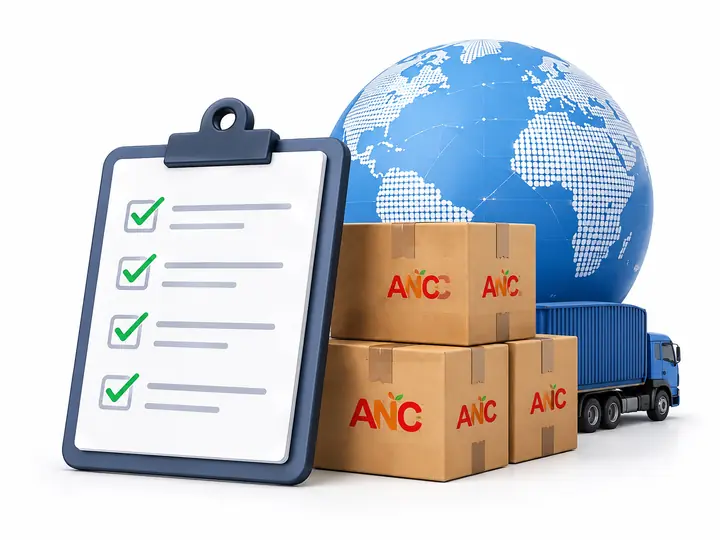
Importer Export Checklist
These export procedures apply directly when shipping ready-to-drink beverages for retail and e-commerce.
Verify factory export readiness using our wholesale beverage supplier checklist for distributors.
Negotiating FOB terms requires clarity on OEM vs ODM beverage manufacturing contracts.
Before shipping begins, confirm all milestones in what buyers should prepare for private label beverages.
Frequently Asked Questions
What should I send first?
Can samples be discussed?
Who checks local label rules?
When can pricing be discussed?
Can ANC Group support export buyers?
Final Buyer Note
If you are comparing suppliers, keep one simple file for each enquiry. Add the product category, target country, buyer type, preferred packaging, expected volume, sample needs and document questions. This keeps your team aligned and makes supplier replies easier to compare.
The best buyer messages are not long. They are clear. A short, complete enquiry usually gets a better reply than a long message with missing details.
Conclusion
From our experience, strong beverage projects do not start with a perfect logo or a long message. They start with clear basics: market, product category, packaging, sample needs and order plan.
Use this guide as a working checklist. If you can answer these points before contacting a supplier, you will get a more useful reply and you will avoid many early mistakes.