Club soda vs tonic water: are they the same thing? Reach into the mixer section of any grocery store and you'll see both bottles sitting side by side, both clear, both fizzy, both packaged almost identically. Grab the wrong one and you're in for a surprise. Pour a glass of tonic water expecting the light, neutral taste of sparkling water, and instead you get a hit of bitter botanical flavor followed by a wave of sweetness.
Quick answer: Club soda and tonic water are not the same, and you can't swap one for the other without changing your drink. Club soda is plain water that's been carbonated and mixed with a few mineral salts, like sodium bicarbonate and potassium sulfate, to create a clean, crisp, zero-calorie mixer with no sugar at all. Tonic water is a sweetened carbonated soft drink flavored with quinine, a bitter compound pulled from the bark of the cinchona tree. Because tonic water is loaded with sugar or high-fructose corn syrup, a standard 12-ounce can holds roughly 124 calories and 32 grams of sugar, putting it closer to regular soda than to sparkling water.
Club soda works well for anyone watching calories who still wants fizz in their drink. It won't change the flavor of vodka, whiskey, or tequila. Tonic water does the opposite on purpose. It's built to pair with gin, where its bitter-sweet edge balances out the piney flavor of juniper.
This guide covers what separates club soda and tonic water, how each one tastes, the full nutrition breakdown including exactly how much sugar is in tonic water vs club soda, a four-way comparison that also covers seltzer and mineral water, which cocktails call for which mixer, and a tested recipe for making your own tonic syrup at home.
The 4 Types of Fizzy Water Explained
Club soda vs seltzer vs tonic water isn't a two-way comparison. There's a fourth player too, sparkling mineral water, and each one behaves differently in a glass.
Seltzer is the plainest of the four, just water and bubbles, nothing added. Mineral water sits closer to club soda in that it carries natural minerals, but those minerals come from the source spring rather than being added afterward.
What Is Club Soda? Ingredients, Taste, and Minerality
Club soda starts as filtered water, pressurized with carbon dioxide, then built up with a small set of mineral salts.
- Sodium bicarbonate softens the sharp bite of carbonic acid, the acid that naturally forms when CO2 dissolves in water.
- Potassium sulfate adds a crisp, clean mineral edge to the mouthfeel.
- Disodium phosphate and sodium chloride round out the finish, mimicking the taste of natural mineral spring water.
The result is a mixer that adds fizz and dilution to a drink without covering up the spirit underneath it. That's exactly why bartenders reach for club soda instead of tonic when the goal is a clean, crisp pour.
What Is Tonic Water? Quinine, Sugar, and UV Fluorescence
Is tonic water the same as club soda, just with a different flavor added? Not even close, and the history explains why. Tonic water carries a genuinely medicinal backstory that goes back to the 1800s.
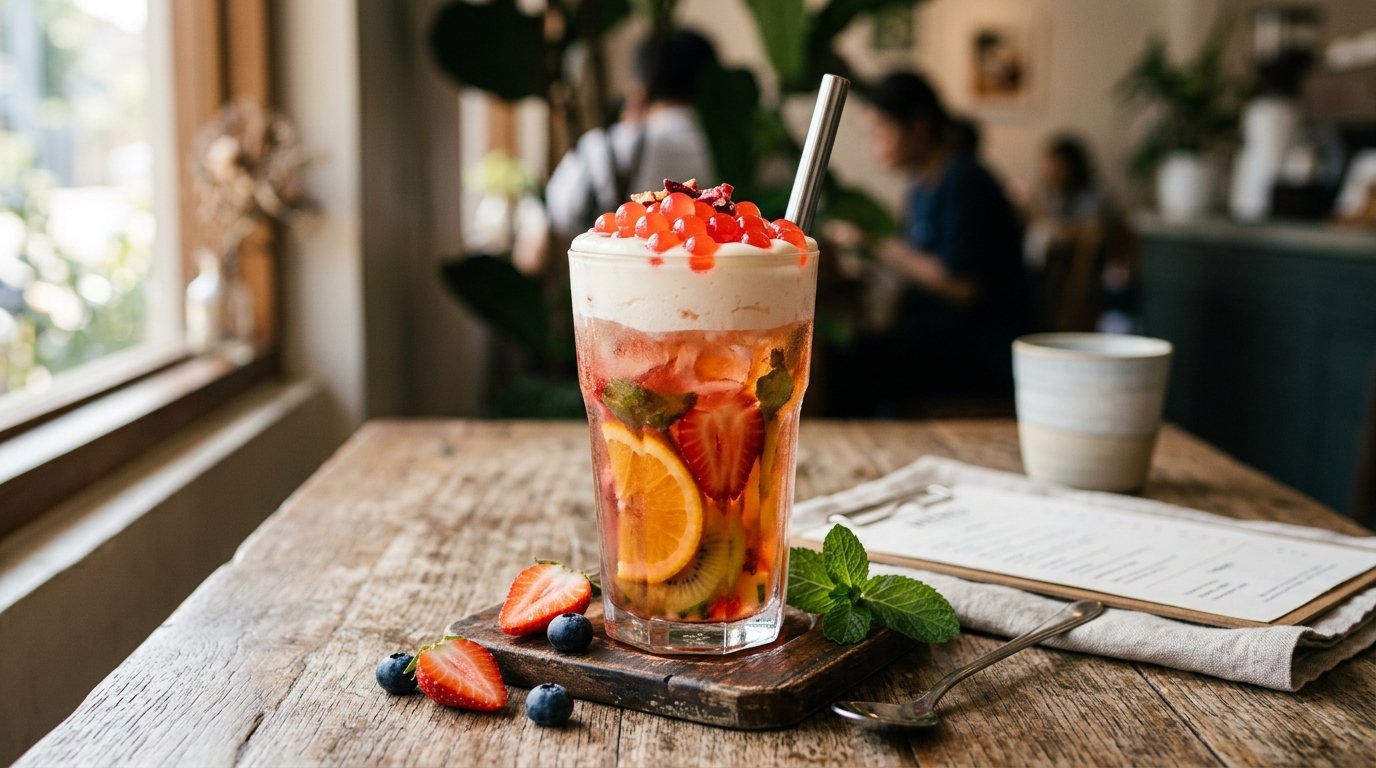
Club soda serves as the sparkling effervescent foundation for layered drinks in our guide on how to make easy fruit refreshers at home.
Quinine and cinchona bark. Quinine comes from the bark of the South American cinchona tree, Cinchona officinalis. Soldiers with the British East India Company are widely credited with drinking it as part of their anti-malarial rations while stationed in India, since quinine helps prevent malaria. Historians debate the exact details, but the basic story holds up: the taste was harsh on its own, so soldiers started mixing it with gin, sugar, and lime, which is how the gin and tonic was born.
The sugar reality. Straight quinine tastes intensely bitter, almost unpleasantly so. Manufacturers balance that bitterness with a heavy dose of sugar, roughly 32 grams per 12-ounce can, which is a major part of why tonic water isn't the diet-friendly mixer people sometimes assume it is.
Why does tonic water glow under black light? Quinine molecules absorb ultraviolet light at around 350 nanometers and release it again as visible electric-blue light at around 450 nanometers. That's the same chemical property, fluorescence, that makes a glass of tonic water glow under a blacklight at a party. It's a neat party trick, but it's also a quick way to prove a bottle actually contains real quinine and not just artificial bitter flavoring.
Nutritional Comparison: Club Soda vs. Tonic Water Calories
The nutrition gap between these two mixers is bigger than most people expect. When people ask about tonic water vs club soda calories, the honest answer is that they're not in the same league at all.
Tonic water carries about 124 kcal and 32 grams of sugar per 12 fl oz, while club soda carries 0 kcal and 0 grams of sugar in the same serving. That difference shows up fast in a finished drink. A vodka tonic runs around 200 calories, while a vodka soda comes in closer to 65 calories, almost entirely from the alcohol itself.
Sodium is worth a mention too. Club soda typically contains 50 to 75 mg of sodium per can, thanks to the added mineral salts. Anyone on a strict low-sodium diet should reach for plain seltzer water instead, since it skips the added minerals entirely.
These figures are typical averages, not a single product's exact label. Schweppes tonic water, for example, runs closer to 130 calories and 33 grams of sugar per 12 fl oz, slightly above the rounded numbers used here. Check the label on whatever brand you're actually drinking if the exact count matters to you.
Carbonation Intensity: Which One Has the Strongest Fizz
Calories and sugar aren't the only difference. The bubbles themselves aren't equal either. Club soda is usually carbonated more aggressively than tonic water, which is part of why it feels sharper and snappier on the tongue. Tonic water's sugar content softens the perceived fizz slightly, even at a similar carbonation level, since sweetness tends to mute how sharp bubbles feel. Seltzer varies the most by brand, some are carbonated to match club soda, others are noticeably gentler. Sparkling mineral water usually lands on the soft end of the scale, since natural spring carbonation tends to be lighter than anything forced in during manufacturing. If a drink needs a sharp, aggressive fizz that cuts through a heavy pour, club soda is generally the stronger choice.
Is Club Soda Sweet? Sugar, Calories, and Sweetness Compared
A common misconception among casual drink shoppers is assuming all fizzy mixers contain sugar. Club soda contains zero sugar, zero sweeteners, and zero calories. Any perceived flavor in club soda comes strictly from its dissolved mineral salts, which impart a crisp, slightly alkaline minerality without any sweetness.
While tonic and club soda are clear, light carbonated mixers, heavier grain sodas like sweet malt drinks offer deep roasted barley character.
In contrast, regular tonic water is notably sweet. Because pure quinine extract is intensely bitter and astringent, commercial beverage bottlers add roughly 8 to 9 teaspoons of sugar (32g to 36g) per can to balance the palate. If you are watching your carbohydrate or sugar intake, club soda or diet tonic water are the appropriate low-calorie choices.
Club Soda vs. Tonic Water: Quick Comparison Table & Substitution Guide
When mixing cocktails or choosing a refreshing non-alcoholic spritzer, understanding how each carbonated water behaves determines the balance of your drink:
| Feature | Club Soda | Tonic Water | Seltzer Water | Sparkling Mineral Water |
|---|---|---|---|---|
| Key Ingredients | Filtered water, CO₂, added minerals (potassium/sodium salts) | Carbonated water, sugar/HFCS, quinine, citric acid | Plain filtered water, CO₂ (no added minerals) | Naturally carbonated spring/well water with natural minerals |
| Taste Profile | Crisp, neutral, subtly salty/mineral | Sweet, distinctly bitter, citrus-tart | Clean, neutral, purely bubbly | Complex earthy minerality, softer bubbles |
| Sugar & Calories | 0g sugar / 0 kcal | 32g–36g sugar / 120–135 kcal | 0g sugar / 0 kcal | 0g sugar / 0 kcal |
| Best Pairings | Whiskey Highball, Tom Collins, Mojito, Fruit Spritzers | Gin & Tonic, Vodka Tonic, Port & Tonic | Flavored fruit essences, cocktail spritzers | Table dining, palate cleanser, wine pairing |
Cocktail Matrix: When to Use Club Soda vs. Tonic Water
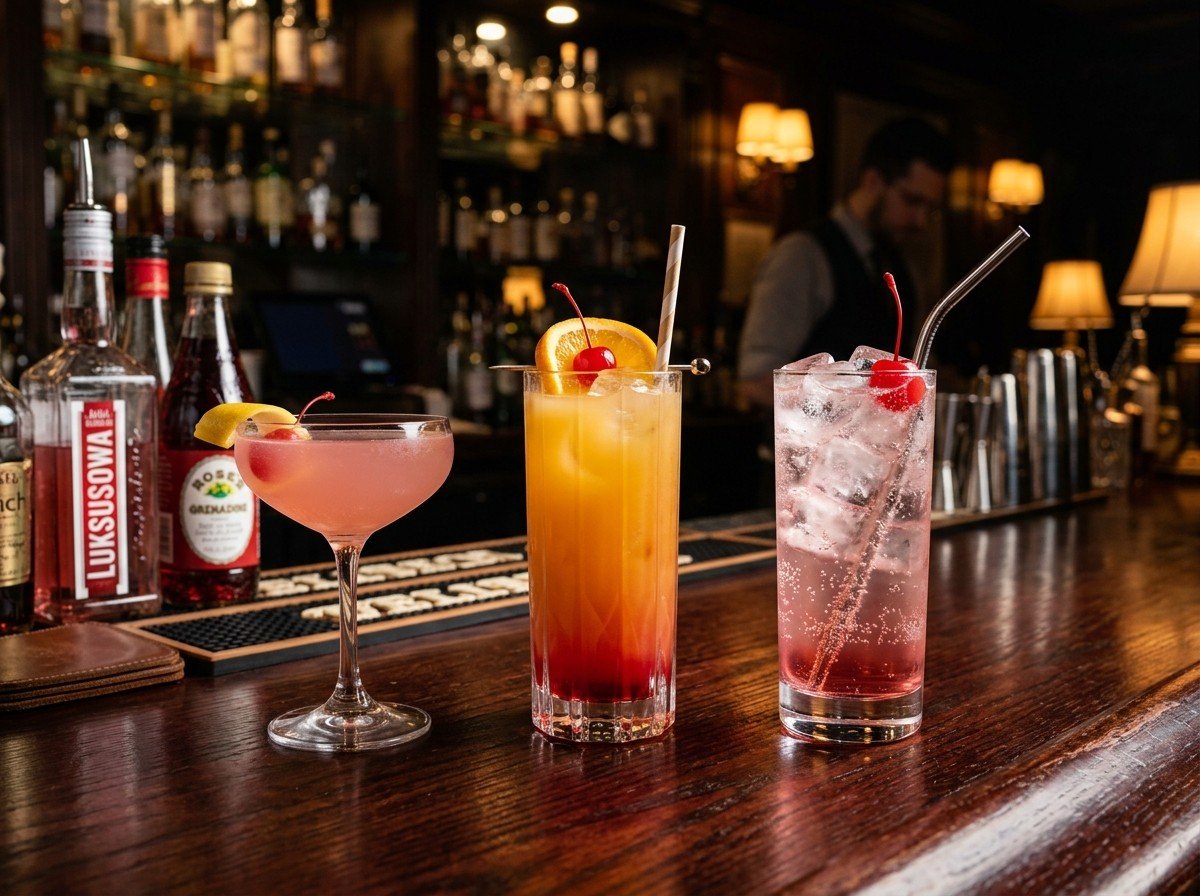
- Gin and tonic. Needs tonic water. The bitter quinine is what balances the piney botanicals in gin.
- Vodka soda. Needs club soda. It stays crisp and sugar-free, letting fresh lime take the lead.
- Mojito. Needs club soda. It adds fizz without fighting the mint and rum's natural sweetness.
- Tom Collins. Needs club soda. It dilutes the gin, lemon, and simple syrup smoothly without adding extra sweetness.
Gin and tonic vs gin and soda. Swap tonic for club soda in a gin and tonic and you get a completely different drink, sometimes called a gin and soda. It's crisper and drier, without the bitter-sweet backbone tonic normally brings.
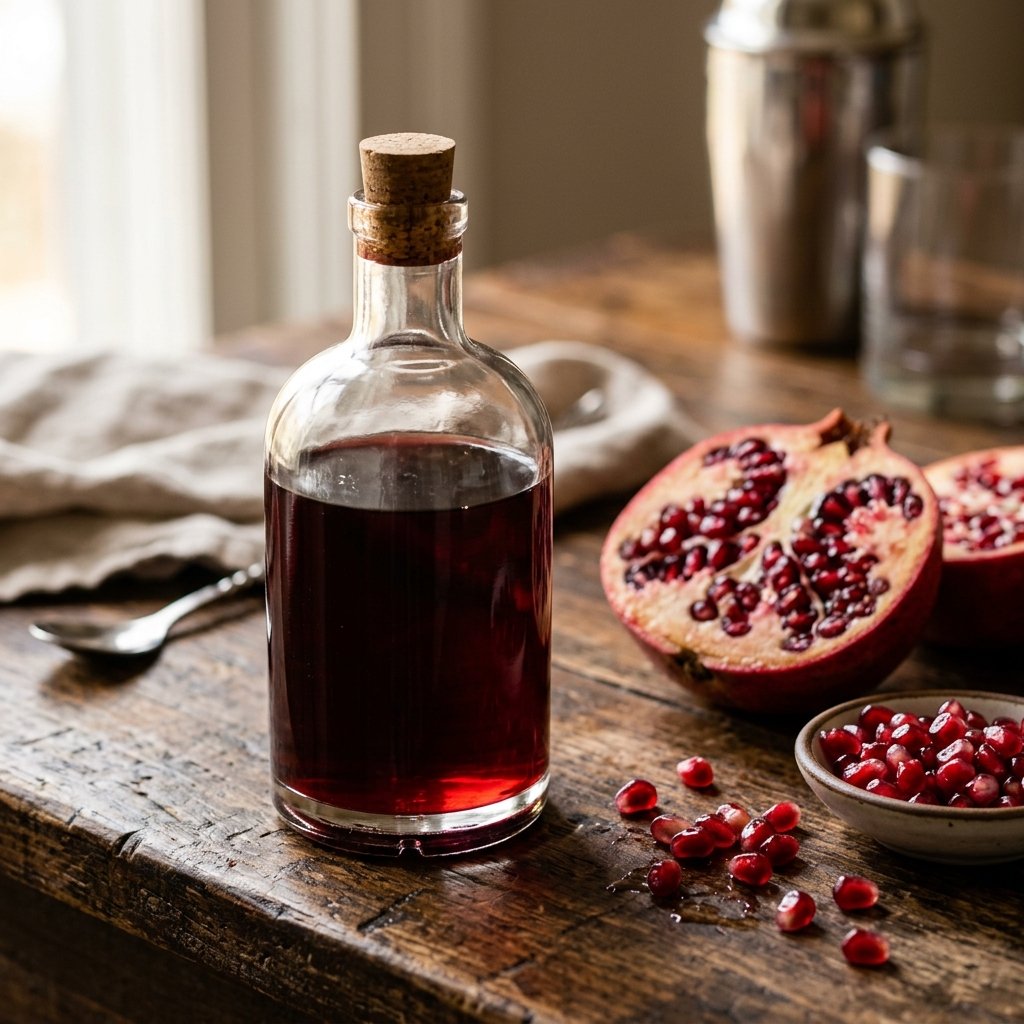
Beyond soda and tonic, highball cocktails frequently utilize spicy ginger beer for fiery Moscow Mules, or sweet authentic pomegranate grenadine for classic zero-proof Shirley Temples.
The rescue formula. Can I substitute club soda for tonic water if I run out mid-party? Yes, with a fix. Mix club soda with 1/2 oz simple syrup and 2 dashes of aromatic bitters. It won't taste identical to real tonic, but it gets close enough in a pinch.
How to Make Craft Tonic Syrup at Home
Ingredients:
- 4 cups water
- 2 tbsp food-grade cinchona bark
- 2 lemongrass stalks, chopped
- Zest and juice of 1 orange, 1 lemon, and 1 lime
- 4 allspice berries
- 2 cups cane sugar
Steps:
1. Combine the water, cinchona bark, lemongrass, citrus zest and juice, and allspice berries in a saucepan.
2. Simmer for 25 minutes, letting the bark release its bitterness and the citrus and spice infuse the liquid.
3. Strain through a fine-mesh sieve, then again through a coffee filter, to remove all the bark sediment. You should be left with a rich amber liquid.
4. Return the strained liquid to low heat and stir in the cane sugar until fully dissolved.
5. Let the syrup cool, then bottle and refrigerate.
6. To serve, mix 1 oz of tonic syrup with 3 oz of club soda over ice.
This method gives you full control over sweetness and bitterness, which is something you can't do with a bottled tonic water off the shelf.
Commercial Brands Buying Guide
Top tonic waters: Fever-Tree Premium Indian Tonic uses real Congo-sourced quinine and cane sugar rather than corn syrup. Q Mixers leans toward higher carbonation with agave as the sweetener. Schweppes remains the classic, widely available choice found in most grocery stores.
Top club sodas: Schweppes Club Soda and Canada Dry are the two most common grocery store options. Fever-Tree Club Soda is a step up in carbonation intensity. Topo Chico, technically a sparkling mineral water rather than a true club soda, has become a bartender favorite for its natural minerality and strong bubbles.
Carbonated water is also a fundamental building block for craft sparkling citrus sodas and wholesale commercial lemonade drinks.
Frequently Asked Questions
❓ What is the difference between club soda and tonic water?
In tropical and tiki mixology, bartenders often swap carbonated mixers for rich almond orgeat syrup to add velvety body and floral sweetness.
Club soda is calorie-free carbonated water with added mineral salts. Tonic water is a carbonated soft drink that contains bitter quinine and roughly 124 calories per can from added sugar.
❓ Can I use club soda instead of tonic water in a gin and tonic?
You can, but it creates a different drink (often called a gin soda) without the signature sweet-bitter flavor tonic provides. Adding simple syrup and a dash of aromatic bitters gets you closer to the real thing.
❓ Why does tonic water glow under blacklight?
Quinine molecules absorb invisible ultraviolet light (around 350 nm) and release it again as visible electric-blue light (around 450 nm), a chemical property known as fluorescence.
❓ How much sugar is in tonic water vs club soda?
Tonic water contains about 32 grams of sugar per 12-ounce can. Club soda contains zero grams of sugar and zero calories.
❓ Why does tonic water taste bitter?
The bitterness comes directly from quinine, the natural compound extracted from cinchona bark. Manufacturers add sugar specifically to offset that intense bitterness, though a distinct bitter bite still comes through.
❓ Is tonic water the same as club soda?
No. They are often shelved next to each other and look nearly identical, but tonic water contains quinine and sugar while club soda contains neither.
❓ Is tonic water effective for relieving nighttime leg cramps?
Tonic water contains quinine, which was historically prescribed in high pharmaceutical doses for malaria and muscle spasms. However, modern commercial tonic water contains only trace, regulated amounts of quinine (no more than 83 mg per liter in the US/EU). Drinking a standard glass of tonic provides too little quinine to reliably relieve severe cramps while adding up to 32g of sugar.
❓ Why does tonic water glow bright blue under UV blacklight?
Tonic water glows vivid fluorescent blue under ultraviolet (blacklight) because quinine molecules absorb invisible UV radiation and re-emit it as visible blue light (photoluminescence). Club soda contains no quinine and does not fluoresce.
Sources and Scientific References
- U.S. Food and Drug Administration (FDA): Food Additive Status & Quinine Concentration Limits in Carbonated Beverages (21 CFR 172.575, max 83 mg/L). [FDA.gov]
- USDA FoodData Central: Comparative Nutritional Profiles for Carbonated Waters, Club Soda, and Commercial Tonic Water. [FoodData Central]
- International Bartenders Association (IBA): Standard Mixology Guidelines: The Gin & Tonic, Vodka Soda, Tom Collins, and Mojito. [IBA-World.com]
- Journal of Chemical Education: Photophysical principles and UV-A fluorescence of quinine hydrochloride in commercial tonic water. [ACS Publications]
Mixology & Nutrition Notice: Tonic water is a sweetened soda with ~32g of sugar per can, whereas club soda is 100% sugar-free. Quinine in tonic water is FDA-regulated at <=83 ppm. Individuals with quinine sensitivity or on strict low-sugar diets should select club soda or plain seltzer.
Related Beverage & Sourcing Guides
Explore our practical guides on drink recipes, market selection, and commercial beverage development: