What is a malt drink? Ask three different people in the United States and you will probably get three different answers. A diner regular pictures a thick chocolate malted milkshake. Someone shopping at a Caribbean or Latin American market thinks of a dark, sweet, carbonated bottle of Malta. Someone at a liquor store thinks of high-gravity malt liquor or a fruity hard cooler. Nobody is wrong. Malt is not one drink. It's a grain ingredient that shows up in several completely different drink categories.
Quick answer: A malt drink is any beverage flavored, brewed, or enriched with malted cereal grain, most often barley (Hordeum vulgare). Malting works by soaking barley in water to start germination, then drying it with heat to activate natural enzymes that turn starches into sweet, nutty maltose sugar. Malt drinks split into three main categories: non-alcoholic brewed malt sodas like Malta Goya and Supermalt, malted milk drinks like Horlicks, Ovaltine, and diner milkshakes, and alcoholic malt beverages, which include malt liquor and flavored hard coolers.
Malt drinks bring natural B-complex vitamins, minerals, and a quick hit of carbohydrate energy. They also tend to be heavy on sugar and calories, so they're not something to drink without thinking about portion size. One more thing worth knowing up front: because malt comes from barley, every traditional malt drink contains gluten. That makes them unsafe for anyone with celiac disease or a gluten sensitivity.
This guide breaks down what malt actually is, how the malting process works, the three types of malt drinks and how they differ, the nutrition facts and gluten risk, two classic recipes you can make at home, and how to read a label so you know exactly what you're buying. The information here reflects standard brewing science and nutrition data, not guesswork.
What Is Malt? The Botanical and Brewing Science
Raw barley grains (Hordeum vulgare) are hard, starchy, and not very sweet on their own. Malting is the process that changes that. It happens in three stages, and each one plays a specific role.
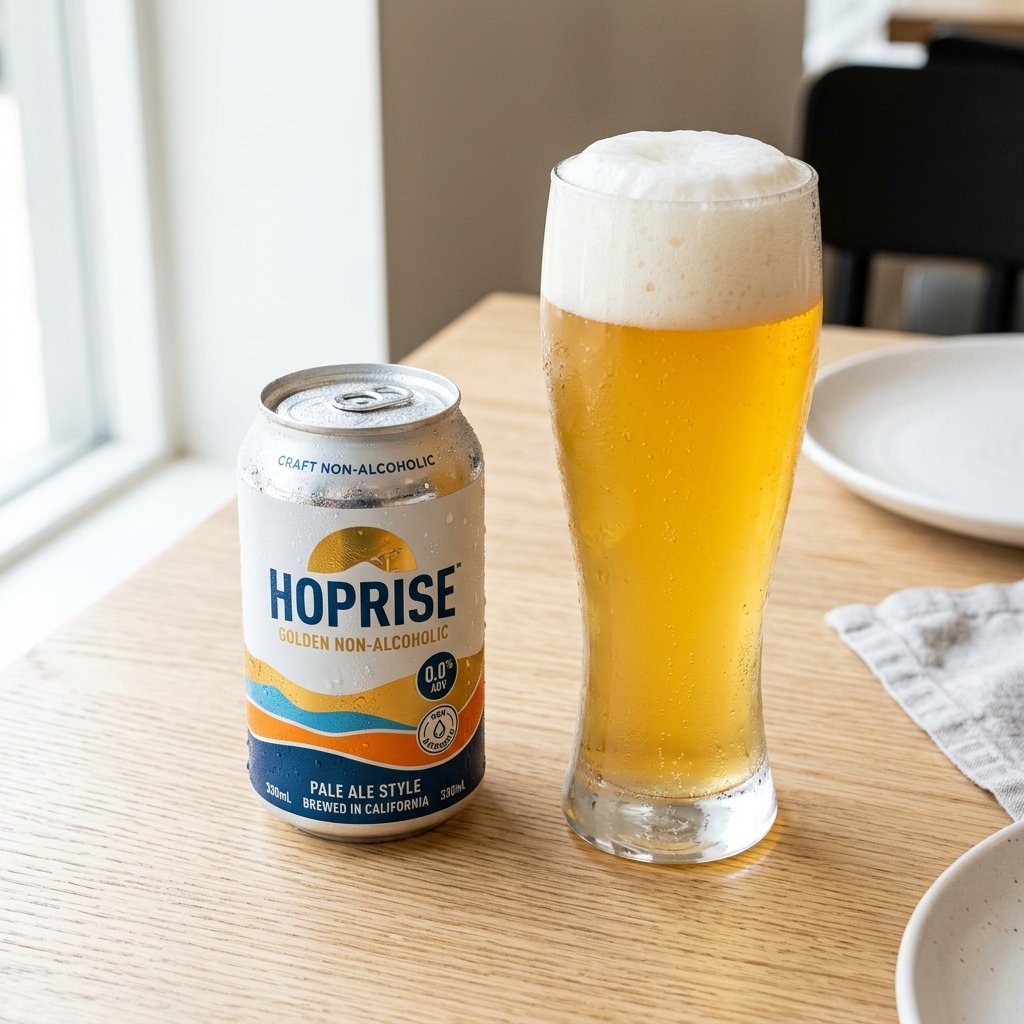
In beverage production, unfermented malt extracts produce rich body and natural sweetness without alcohol. This differs significantly from brewed non-alcoholic beer, which undergoes full fermentation before dealcoholization to achieve a dry, hopped flavor profile.
- Steeping. Raw barley soaks in water until its moisture content climbs above 40 percent. This wakes the grain up and gets it ready to sprout.
- Germination. The grain sprouts tiny rootlets, and this sprouting activates two natural enzymes, alpha-amylase and beta-amylase. These enzymes are what break down starch into sugar.
- Kilning. The sprouted grain gets dried with heat, which stops the germination process at the right moment. This step also triggers Maillard browning, the same chemical reaction that gives toast and roasted coffee their color and aroma, and it's where malt picks up its toasted, caramel notes.
What comes out the other end is malted grain loaded with maltose, a disaccharide sugar made of two linked glucose molecules, along with soluble amino acids and B-vitamins. That maltose is the reason malt drinks taste sweet and nutty instead of bland like raw grain.
The 3 Main Types of Malt Drinks
Not every malt drink belongs in the same category, and mixing them up is where most of the confusion starts. So is a malt drink alcoholic? It depends entirely on which type you're holding. Here's how the three break down.
Brewed malt sodas and malted milk drinks are both alcohol-free, even though one is fizzy and dark while the other is creamy and mixed with milk. Alcoholic malt beverages are a different product entirely, made through fermentation rather than just brewing.
What Does a Malt Drink Taste Like?
The taste depends heavily on which category you're drinking.
In international markets, malt sodas compete alongside traditional brewed ginger beer as robust, full-bodied zero-proof beverages.
Malted milk drinks taste warm and nutty, almost like a toasted biscuit dipped in sweet cream. The maltose sugar combines with dairy proteins to create a rich caramel flavor, which is exactly why malted milk powder makes chocolate milkshakes taste deeper and richer at old-school diners.
Brewed malta sodas taste bold, sweet, and bready. So what does a malta drink actually taste like? Think of a non-alcoholic version of a sweet dark stout, or liquid pumpernickel bread, finishing with notes of dark molasses and brown sugar. It's an acquired taste for people who have never tried it, but it's a beloved staple in Caribbean and West African households.
Is a Malt Drink Carbonated? Carbonation, Fizz, and Soda Styles Explained
Yes, the vast majority of ready-to-drink commercial malt beverages sold in bottles and aluminum cans are carbonated soft drinks. Commonly referred to as malt sodas or brewed soft drinks, these beverages undergo brewing using barley malt and hops, but fermentation is halted before alcohol can develop. The liquid is then force-carbonated with carbon dioxide (CO₂) to produce a thick, creamy, frothy head similar to stout beer.
Unlike zero-sugar sparkling mixers like club soda and tonic water, malt drinks feature a heavier mouthfeel and natural residual barley sweetness.
Unlike standard colas or fruit sodas that rely entirely on artificial syrups and carbonated water, carbonated malt drinks have a naturally viscous mouthfeel, rich roasted barley aroma, and a dense micro-bubble texture created by natural grain proteins.
What Is Malta? Latin American Malt Sodas, Taste, and Wellness Benefits
In the Caribbean, Central America, and northern South America, carbonated malt beverages are universally known as Malta. Iconic brands like Malta India, Pony Malta, and Malta Polar are staples in Latin American households, celebrated for their deep caramel color and rich roasted malt sweetness.
Key Nutrition and Health Benefits:
- Rich in B-Complex Vitamins: Malta naturally contains high levels of Thiamine (B1), Riboflavin (B2), Niacin (B3), and Pyridoxine (B6), which support cellular energy metabolism.
- Natural Electrolytes & Minerals: Contains bioavailable magnesium, phosphorus, and potassium from whole malted barley grains.
- Rapid Energy Delivery: Provides complex maltose and glucose carbohydrates, making it popular among athletes for post-workout glycogen replenishment.
Nutritional Value, Health Benefits, and Gluten Warning
Malt drinks aren't nutritionally identical, so it helps to see the numbers side by side. What are the real malt drink benefits, and what's the catch? Both deserve a straight answer.
Because roasted malted barley delivers a deep, toasted grain aroma without caffeine, it is also a foundational ingredient across many popular caffeine-free coffee substitutes.
These figures are a general guide, not a specific product label. Actual numbers shift depending on the brand, the bottle size, and whether a product is made with real cane sugar or high-fructose corn syrup, so check the label on whatever you're actually drinking.
Sprouted barley naturally provides B-complex vitamins that support energy metabolism, along with prebiotic oligosaccharides that help feed healthy gut bacteria. It also delivers fast carbohydrate energy, which is part of why malt drinks have been used as an energy pick-me-up for generations.
The gluten warning matters, though, and it's not something to gloss over. Because malt comes from sprouted barley, every traditional malt drink contains gluten. That includes Malta sodas, malted milk powders, and diner-style malts. Anyone with celiac disease or a gluten sensitivity should avoid all three categories unless a product is specifically labeled gluten-free.
How to Make Classic Malt Drinks at Home
Recipe 1: The 1950s Diner Chocolate Malt
Ingredients:
- 1/2 cup cold whole milk
- 2 tbsp chocolate syrup
- 3 tbsp malted milk powder
- 3 large scoops vanilla bean ice cream
- Whipped cream and a cherry, for topping
Steps:
1. Add the milk, chocolate syrup, and malted milk powder to a blender.
2. Add the ice cream on top.
3. Pulse on medium speed for 20 to 30 seconds, until the mixture is thick and smooth.
4. Pour into a tall glass, top with whipped cream and a cherry, and serve right away.
Recipe 2: Homemade Spiced Malta Soda
Ingredients:
- 3 tbsp liquid barley malt extract syrup
- 1 tbsp brown sugar
- 1/4 tsp lime juice
- A pinch of cinnamon
- 2 tbsp warm water
- Ice
- 1 cup chilled sparkling mineral water
Steps:
1. In a glass, whisk together the malt extract syrup, brown sugar, lime juice, cinnamon, and warm water until the sugar dissolves.
2. Fill the glass with ice.
3. Top with the chilled sparkling water and give it one gentle stir.
Commercial Brands and How to Store Malt Drinks
A few brands show up again and again once you start looking for malt drinks in stores. Malta Goya is the Caribbean classic most Americans recognize first. Supermalt is a staple across West Africa and the UK. Barbican is a popular fruit-flavored malt in Middle Eastern markets. Horlicks and Ovaltine are the go-to malted milk powders, often marketed as a bedtime drink.
How to check a label. Non-alcoholic products are required to state "Non-Alcoholic Brewed Malt Beverage" and list 0.0% ABV. Alcoholic products carry warnings and an ABV statement required by the TTB, the Alcohol and Tobacco Tax and Trade Bureau, typically somewhere between 4.5% and 12%. If you're not sure what you're holding, the label will tell you in plain language, so it's always worth a quick check before buying.
Storage. Canned Malta typically lasts 18 to 24 months in the pantry unopened. Malted milk powder is hygroscopic, meaning it pulls moisture from the air, so it needs to stay in an airtight container. Stored that way, it keeps for 12 to 18 months.
For commercial beverage buyers, canned malt drinks represent a high-turnover category within ready-to-drink beverages for global importers.
Understanding regional consumer demographics is essential when choosing beverage products for target export markets.
Frequently Asked Questions
❓ What is a malt drink?
A malt drink is any beverage made using malted barley grain. That covers non-alcoholic brewed sodas like Malta, malted milk powders and shakes, and alcoholic malt beverages.
❓ Does a malt drink contain alcohol?
It depends on the type. Brewed malt sodas and malted milk drinks are 0.0% ABV and completely non-alcoholic. Malt liquors and flavored malt beverages (FMBs) contain alcohol, roughly 4.5% to 12% ABV depending on the brand.
❓ What is the difference between malta and beer?
Malta is brewed from barley, water, and hops like beer, but it is never fermented, so it has no alcohol. Beer goes through fermentation with brewer's yeast, which is what produces the alcohol content.
❓ Does malt contain gluten?
Yes. Malt is made from sprouted barley, so every traditional malt drink contains gluten and is unsafe for anyone with celiac disease or gluten sensitivity.
❓ Can kids drink malta?
Yes. Malta is a non-alcoholic soda at 0.0% ABV, so it is safe for kids in the same way any sweet soft drink is, though it is high in sugar and calories, so it is worth treating as an occasional drink rather than a daily one.
❓ What does malt taste like?
Malted milk drinks taste warm and nutty, close to toasted biscuits with sweet cream. Brewed malta sodas taste bold and bready, closer to a non-alcoholic dark stout with notes of molasses.
❓ Are malt drinks good for you?
They offer real nutritional benefits, including B-complex vitamins and quick carbohydrate energy, but they are also high in sugar, so they are best enjoyed in moderation rather than as an everyday beverage.
❓ Does drinking commercial malt soda cause weight gain?
Non-alcoholic malt sodas (like Malta) are nutrient-dense but calorie-rich beverages. A single 330ml bottle contains roughly 180 to 220 calories and 35g to 45g of carbohydrates. While excellent for quick energy and athletic replenishment, consuming multiple bottles daily without physical activity can contribute to surplus calorie intake.
❓ Can children safely drink packaged non-alcoholic malt beverages?
Yes. Commercial malt sodas and powdered malted milk drinks are 100% alcohol-free (0.0% ABV) soft drinks commonly enjoyed by children throughout Latin America, the Caribbean, and Africa as an afternoon energy and vitamin snack.
Sources and Scientific References
- American Society of Brewing Chemists (ASBC): Malting biochemistry, alpha- and beta-amylase enzymatic hydrolysis, and maltose conversion dynamics. [ASBCNet.org]
- USDA FoodData Central: Nutrient composition and B-complex vitamin profiles of commercial malt beverages and malted milk powder. [FoodData Central]
- Alcohol and Tobacco Tax and Trade Bureau (TTB): Beverage Alcohol Labeling Requirements: Class and Type Designations for Malt Beverages (27 CFR Part 7). [TTB.gov]
- Celiac Disease Foundation: Gluten Sources in Brewing: Hordein proteins in barley malt, malt extract, and malt flavorings. [Celiac.org]
Gluten & Alcohol Notice: Because traditional malt is produced from sprouted barley, all standard malt drinks contain gluten and are unsafe for individuals with celiac disease. Always verify product labels for ABV designations to distinguish between 0.0% non-alcoholic brewed malt sodas and fermented malt liquors.
Related Beverage & Sourcing Guides
Explore our practical guides on drink recipes, market selection, and commercial beverage development: