What Is Ginger Beer? History, Alcohol Content, Health Benefits, and 2 Master Recipes
You have probably seen ginger beer on a cocktail menu next to a Moscow Mule. You have also seen it on the soda aisle shelf next to ginger ale. The two drinks sit side by side and sound almost the same, so it is easy to assume they are the same. Then you grab a bottle of ginger beer expecting something mild and sweet, take a sip, and get hit with a sharp, peppery kick instead. That surprise is the whole story in one sip.
This article covers what ginger beer actually is, where it came from, whether it contains alcohol, and what the science says about ginger's health reputation. You will also find two tested recipes, three classic cocktails, and a brand-by-brand buying guide.
Quick Answer: What Is Ginger Beer?
Ginger beer is a carbonated, ginger-flavored drink. It started as a fermented, alcoholic beverage in Yorkshire, England, in the mid-1700s. Most ginger beer sold in stores today is non-alcoholic, sitting under 0.5% ABV, though "hard" alcoholic versions with 4% to 6% ABV also exist.
Ginger beer tastes bolder and spicier than ginger ale because it is made with real ginger root instead of a light artificial flavoring. It is the ingredient that makes a Moscow Mule taste like a Moscow Mule, and it plays the same starring role in a Dark and Stormy.
The History of Ginger Beer
Yorkshire Origins in the 1700s
Ginger beer began in Yorkshire, England, in the mid-18th century. Brewers fermented ginger root, sugar, and water using a live culture called a ginger beer plant, a symbiotic colony of yeast and bacteria that works a lot like a kombucha SCOBY. Early batches were strong. Historical records show that ginger beer brewed before the mid-1800s often reached around 11% alcohol by volume, in the same range as some wines.
The drink did not stay local for long. By the late 1700s, people in Britain's colonies, including what is now the United States and Canada, were brewing their own versions at home.
The 1855 Alcohol Law
In 1855, England passed excise laws that capped the alcohol content of drinks sold without a beer license. Brewers who wanted to avoid the extra tax started lowering the alcohol in their ginger beer so it would count as a soft drink instead. That single law is one of the biggest reasons ginger beer began shifting toward the low-alcohol and non-alcoholic styles people know today.
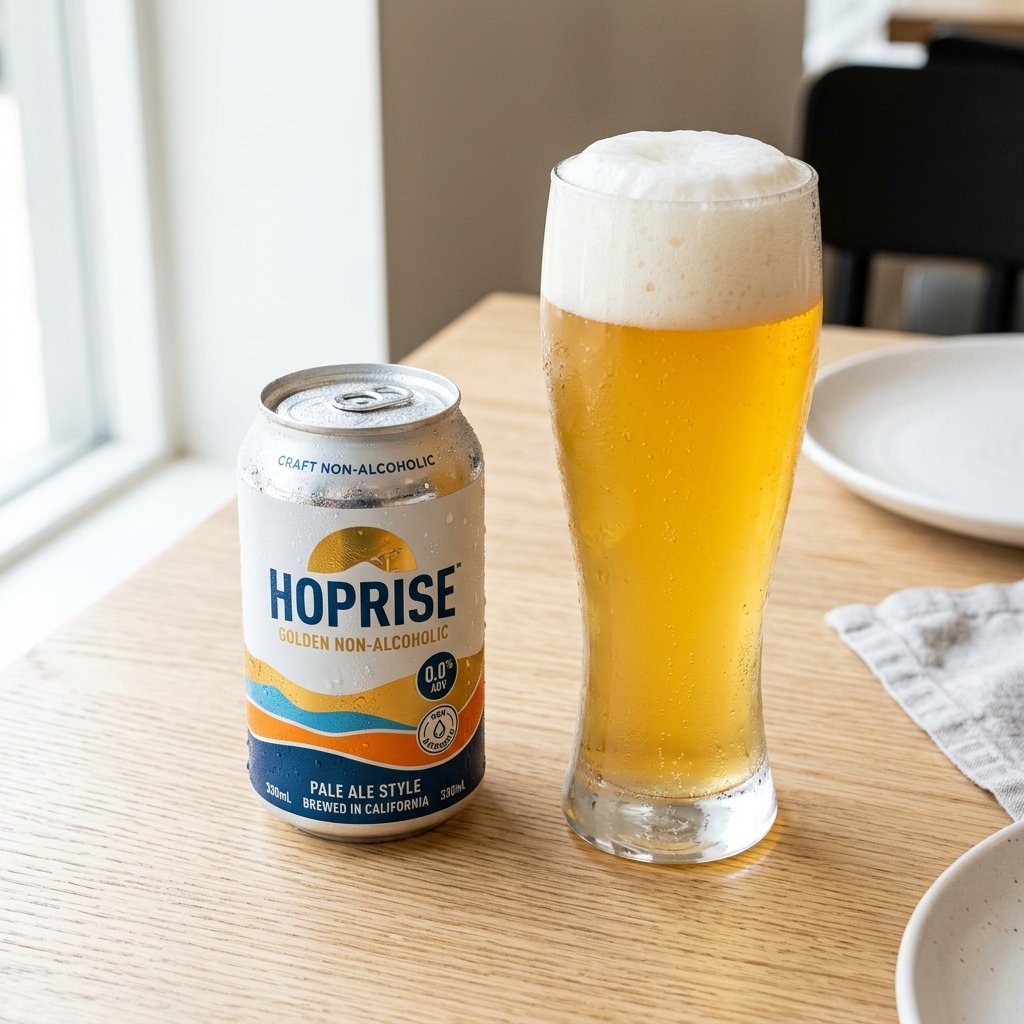
Commercial ginger beer brewing closely follows the quality control principles of brewing non-alcoholic beer to maintain ABV below 0.5%.
Prohibition and the Rise of the Non-Alcoholic Version
Ginger beer's popularity in the United States grew again during Prohibition, from 1920 to 1933, when Americans could not legally buy alcohol. Non-alcoholic ginger beer stepped into that gap as a spicy, satisfying stand-in. That era is largely why the non-alcoholic version became the default most people picture today.
How Traditional Fermentation Works
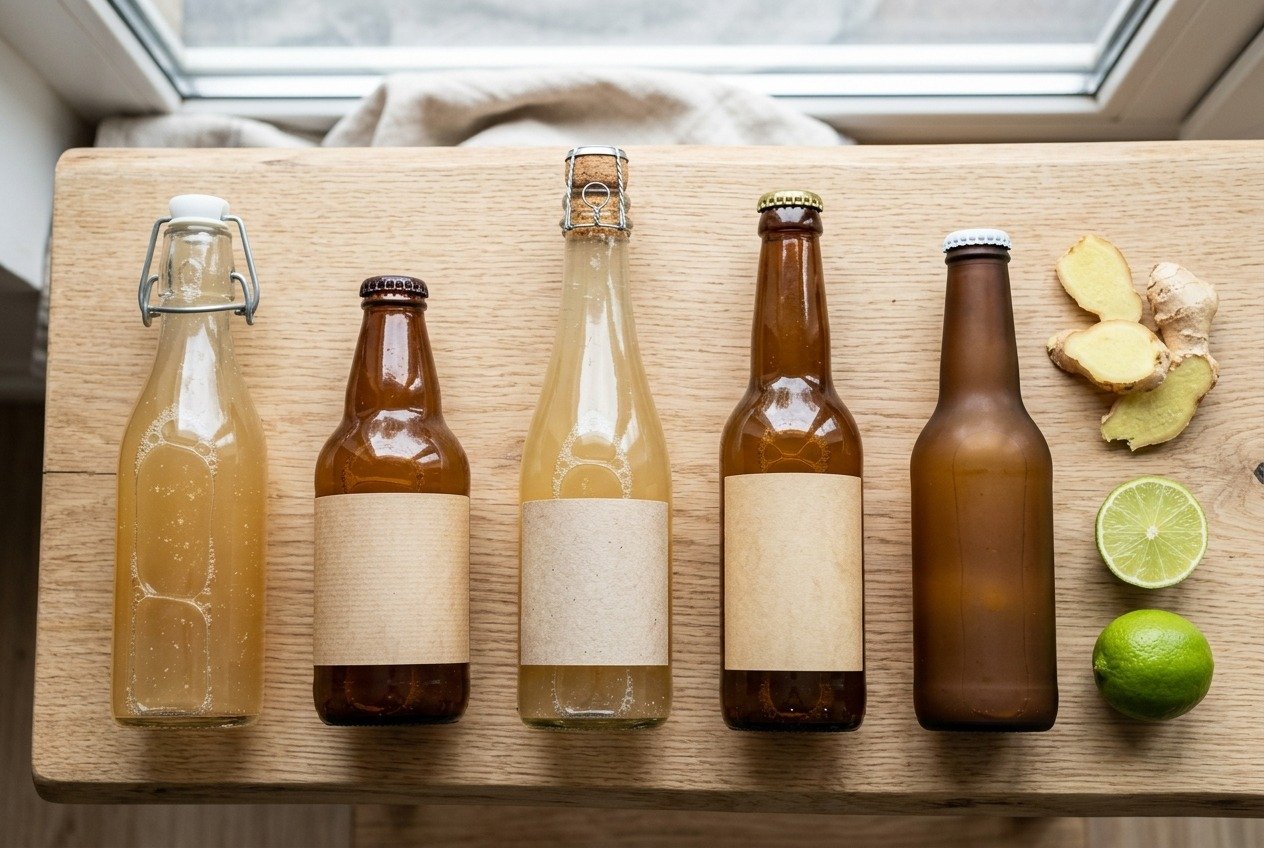
Old-fashioned ginger beer relies on a starter called a ginger bug. You feed fresh grated ginger and sugar to water every day for about five to seven days until the mixture starts bubbling on its own. Those bubbles mean wild yeast has taken hold and is producing carbon dioxide, along with a small trace of ethanol.
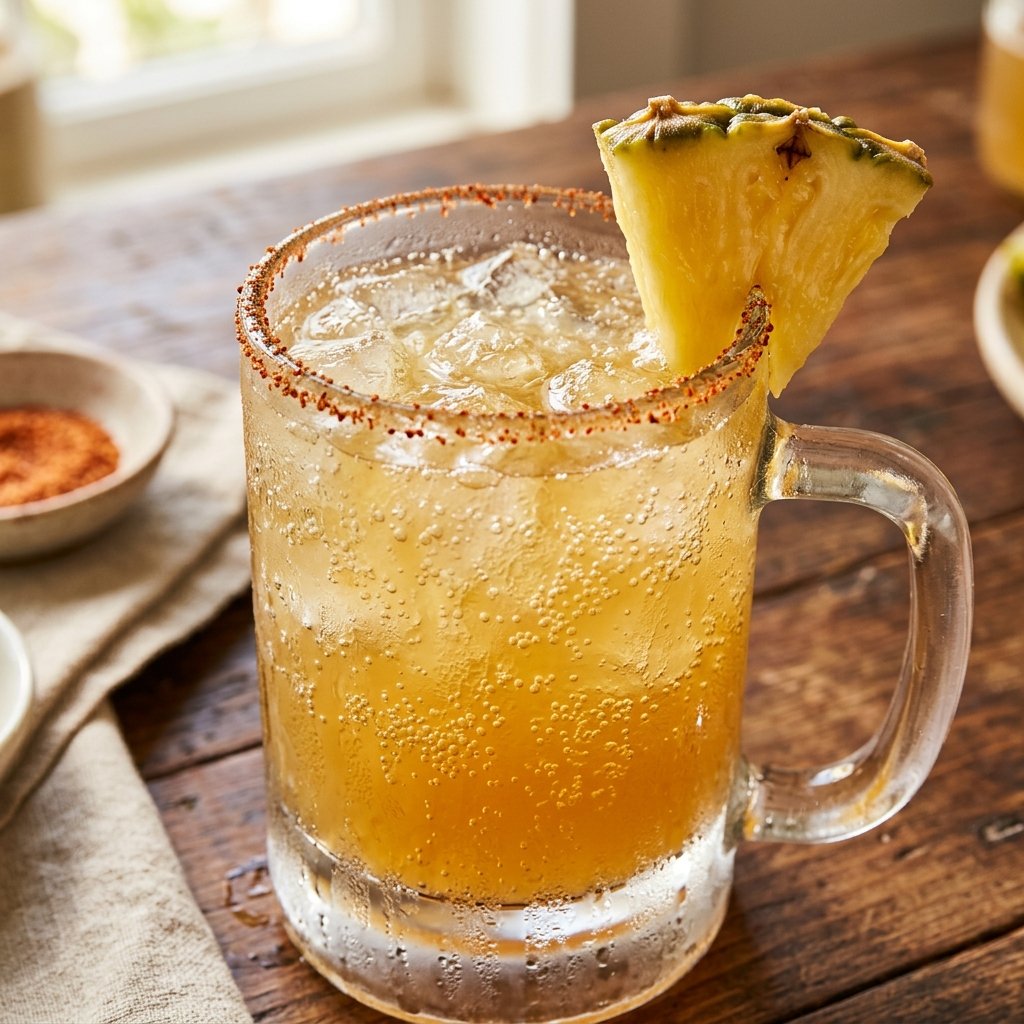
The wild fermentation technique used in artisanal ginger beer shares ancient food-craft traditions with Mexican fermented pineapple tepache, both using wild yeasts and unrefined cane sugar.
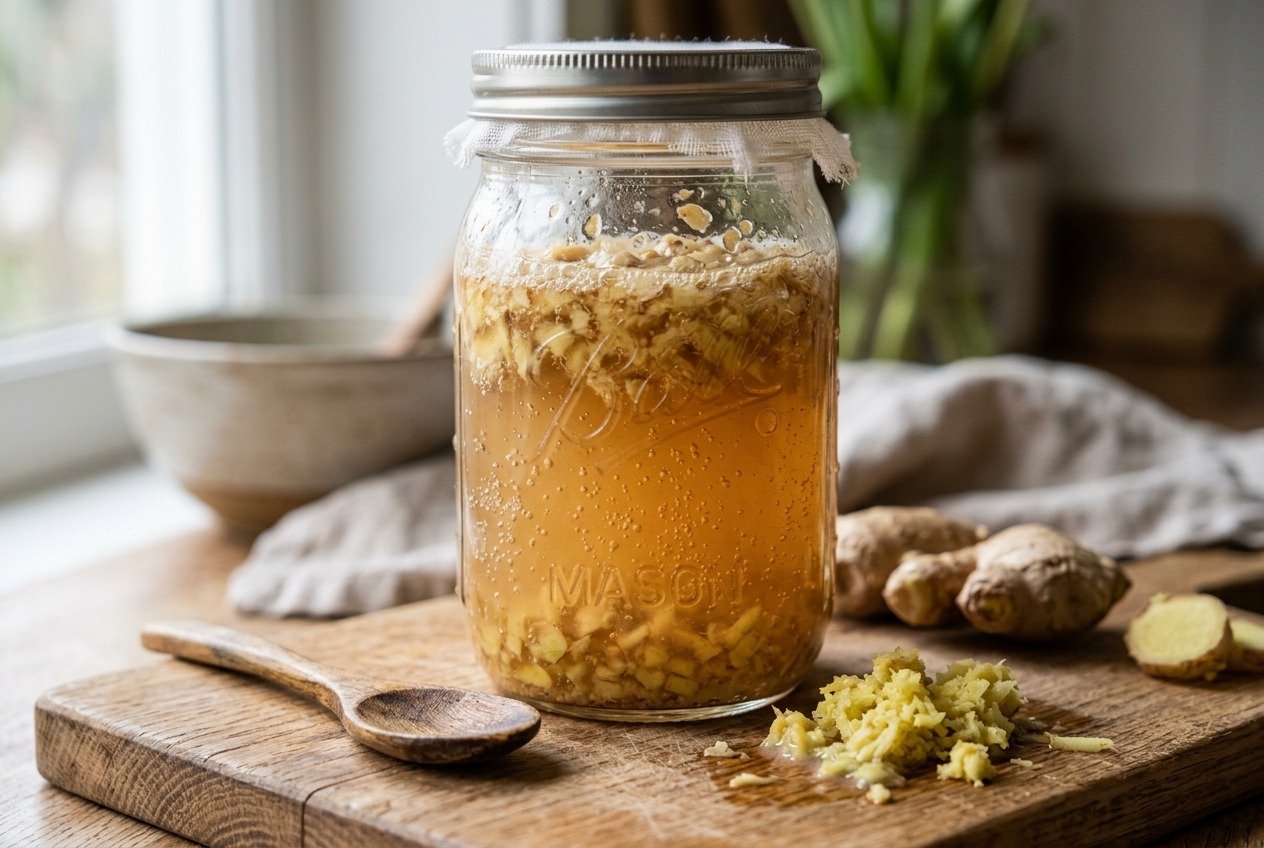
That natural fermentation is what gives homemade ginger beer its signature traits. It often looks slightly cloudy instead of perfectly clear. It carries a yeasty depth you will not find in a factory-made soda. And the carbonation feels softer and less aggressive than what comes out of a can.
How Most Commercial Ginger Beer Is Made Today
Big-name US brands, including Fever-Tree, Bundaberg, and Q Mixers, mostly skip fermentation altogether. Instead, they dissolve real ginger extract into water that has been force-carbonated with added CO2. This method is faster, cheaper at scale, and gives a shelf-stable product with consistent flavor from bottle to bottle. It is also why most supermarket ginger beer looks clear rather than cloudy.
(Related read: for a deeper walkthrough of the fermentation process itself, see our guide to homemade fermented drinks.)
Ginger Beer vs. Ginger Ale: What Is the Real Difference?
Ginger Beer ABV: How Much Alcohol Does It Actually Contain?
Whether ginger beer contains alcohol depends entirely on how it is brewed and labeled. Modern beverage markets recognize 3 distinct categories of ginger beer based on alcohol by volume (ABV):
| Ginger Beer Category | Alcohol by Volume (ABV) | Description & Common Brands |
|---|---|---|
| 1. Commercial Soft Drinks | 0.0% to <0.5% ABV (Legally Non-Alcoholic) | Standard retail cans/bottles (Fever-Tree, Bundaberg, Reed's, Q Mixers) sold in soda aisles. |
| 2. Traditional Wild Fermented | 0.5% to 2.0% ABV | Home-brewed using an active wild ginger bug culture or champagne yeast over 3 to 7 days. |
| 3. Hard Alcoholic Ginger Beer | 4.0% to 6.0% ABV (Alcoholic Beverage) | Commercial fermented alcoholic malt/cider beverages (Crabbie's, Hollows & Fentimans, Royal Bliss). |
This is one of the most searched questions about ginger beer, and for good reason. On a store shelf, the two drinks are easy to mix up.
The short version: ginger beer is built to taste like ginger. Ginger ale is built to taste sweet, with ginger playing a background role. Reach for ginger beer when a recipe needs a real ginger punch. Reach for ginger ale when you want something gentler, like for settling a stomach.
(Related read: for a deeper side-by-side on ingredients and brewing method, see our full ginger ale vs. ginger beer comparison.)
Is Ginger Beer Alcoholic?
This is the second most common question people search, and the honest answer depends entirely on the brand and how it was made.
Most commercial ginger beer is non-alcoholic. Brands like Fever-Tree, Bundaberg, Reed's, and Q Mixers sit under 0.5% ABV, the threshold the United States uses to classify a drink as non-alcoholic. You can hand a bottle to a designated driver without a second thought.
Home-fermented ginger beer carries a small amount of alcohol. Because it uses live yeast, a batch made with a ginger bug typically lands between 0.5% and 2% ABV. That puts it roughly in line with kombucha, another fermented drink people often assume is alcohol-free but usually is not, at least not entirely.
Hard ginger beer is a genuinely alcoholic beverage. Brands like Crabbie's and Angry Orchard sell versions that run 4% to 6% ABV, putting them in the same range as many beers. These are sold and labeled as alcoholic, and you need to be of legal drinking age to buy them.
The table below lines up all three categories so you can compare them at a glance.
If you are pregnant, giving ginger beer to a child, or avoiding alcohol for any other reason, check the label rather than the name. "Ginger beer" alone will not tell you the ABV. Only the specific brand and bottle will.
Gingerol, Shogaol, and the Science Behind Ginger's Health Reputation
Ginger root, known scientifically as Zingiber officinale, contains natural compounds responsible for both its spicy bite and its long-standing reputation as a stomach-settling remedy.
Gingerols are the main active compounds in fresh ginger. Lab research has linked gingerols to anti-inflammatory activity, including the ability to inhibit inflammatory pathways involving TNF-alpha and COX-2, two proteins the body uses to trigger inflammation.
Shogaols form when ginger is cooked or dried, which changes the compound's chemical structure. Some research suggests shogaols may act even more strongly on certain gut receptors than gingerols do.
The strongest clinical evidence behind claimed ginger beer benefits actually points back to ginger itself, not the drink. A 2005 systematic review and meta-analysis published in Obstetrics & Gynecology, led by researcher Francesca Borrelli, pooled existing clinical trials on ginger and pregnancy-related nausea. It found that ginger, taken at around 1 gram per day, meaningfully reduced nausea symptoms compared to a placebo. A later 2014 meta-analysis in Nutrition Journal, available through the National Institutes of Health, reached a similar conclusion for nausea specifically, while finding no significant effect on the number of vomiting episodes. Both studies focused on nausea and vomiting during pregnancy, not nausea in general, so the results may not carry over to other causes of nausea.
Why Store-Bought Ginger Beer Is Not a Health Drink
The gingerol research above is based on concentrated ginger, not a sugary carbonated soda, and that gap matters. Commercial ginger beer typically contains 30 to 40 grams of sugar per 12-ounce bottle. Bundaberg, for example, lists around 40 grams of total sugars per 375 mL bottle on its nutrition panel, which puts it close to the sugar in a can of regular cola.
That much added sugar can raise blood glucose and works against whatever anti-inflammatory benefit the ginger itself might offer. If ginger's potential health perks are the actual goal, a stronger option is fresh ginger tea, a ginger supplement, or a lower-sugar ginger beer like Reed's Zero Sugar. Exact sugar figures vary by bottle size and can change if a brand reformulates, so always check the current nutrition label rather than relying on any single number, including the ones in this guide.
(Related read: for a full breakdown of ginger's health effects beyond ginger beer, see our guide to ginger health benefits.)
2 Ginger Beer Recipes You Can Make at Home
Recipe 1: Quick Non-Fermented Ginger Beer (Ready in 30 Minutes)
This version skips fermentation entirely, so there is no waiting and no alcohol. It is the fastest way to taste real, fresh ginger beer today.
Ginger beer is often blended with still or sparkling citrus bases, similar to commercial wholesale lemonade drinks.
What you need:
- 2 oz fresh ginger root, sliced
- 1 cup granulated sugar
- 2 cups filtered water
- 3 tbsp fresh lime juice
- A pinch of sea salt
- 4 cups sparkling water
- Ice and fresh mint, for serving
How to make it:
1. Combine the sliced ginger, sugar, and 2 cups of water in a saucepan. Simmer for 15 minutes.
2. Strain the mixture firmly through a fine mesh strainer, pressing the ginger to release all the syrup. Let the syrup cool to room temperature.
3. Stir in the lime juice and a pinch of sea salt.
4. Combine the cooled syrup with 4 cups of sparkling water.
5. Serve over ice, garnished with fresh mint.
This batch keeps in the fridge for about five to seven days.
Recipe 2: Traditionally Fermented Ginger Beer With a Ginger Bug (5 to 7 Days)
This version uses real fermentation, so it develops a small amount of natural alcohol, roughly 0.5% to 1.5% ABV, along with a softer, more complex flavor.
Step one: build your ginger bug (starts 5 to 7 days before you brew).
Each day, add 1 teaspoon of grated fresh ginger and 1 teaspoon of sugar to 1 cup of water in a clean jar. Stir and leave the jar loosely covered at room temperature. After five to seven days, you should see bubbles forming, a sign that the wild yeast culture has become active.
Step two: brew the ginger beer.
1. Simmer 3 oz of ginger with 1 cup of sugar in 2 cups of water for about 15 minutes.
2. Strain the mixture, then dilute it with 4 cups of water and 1/4 cup of fresh lemon juice.
3. Stir in 1/2 cup of your active ginger bug liquid.
4. Pour the mixture into swing-top glass bottles, leaving a little headspace.
5. Let the bottles ferment at room temperature for 2 to 5 days. Open the caps briefly once a day to release built-up pressure, a step brewers call "burping" the bottles.
6. Once the ginger beer tastes fizzy and lively, move the bottles to the refrigerator to slow fermentation.
Refrigerated, traditionally fermented ginger beer keeps for about two to three weeks.
A safety note: swing-top bottles can build real pressure during fermentation. Burping them daily and refrigerating them once they are carbonated helps prevent a bottle from breaking or popping unexpectedly.
3 Classic Cocktails That Use Ginger Beer
Ginger beer's bold flavor holds its own against strong spirits, which is exactly why bartenders reach for it instead of ginger ale in these three drinks.
Combining spicy ginger beer with dark rum and tart pomegranate grenadine syrup creates colorful, balanced island cocktails.
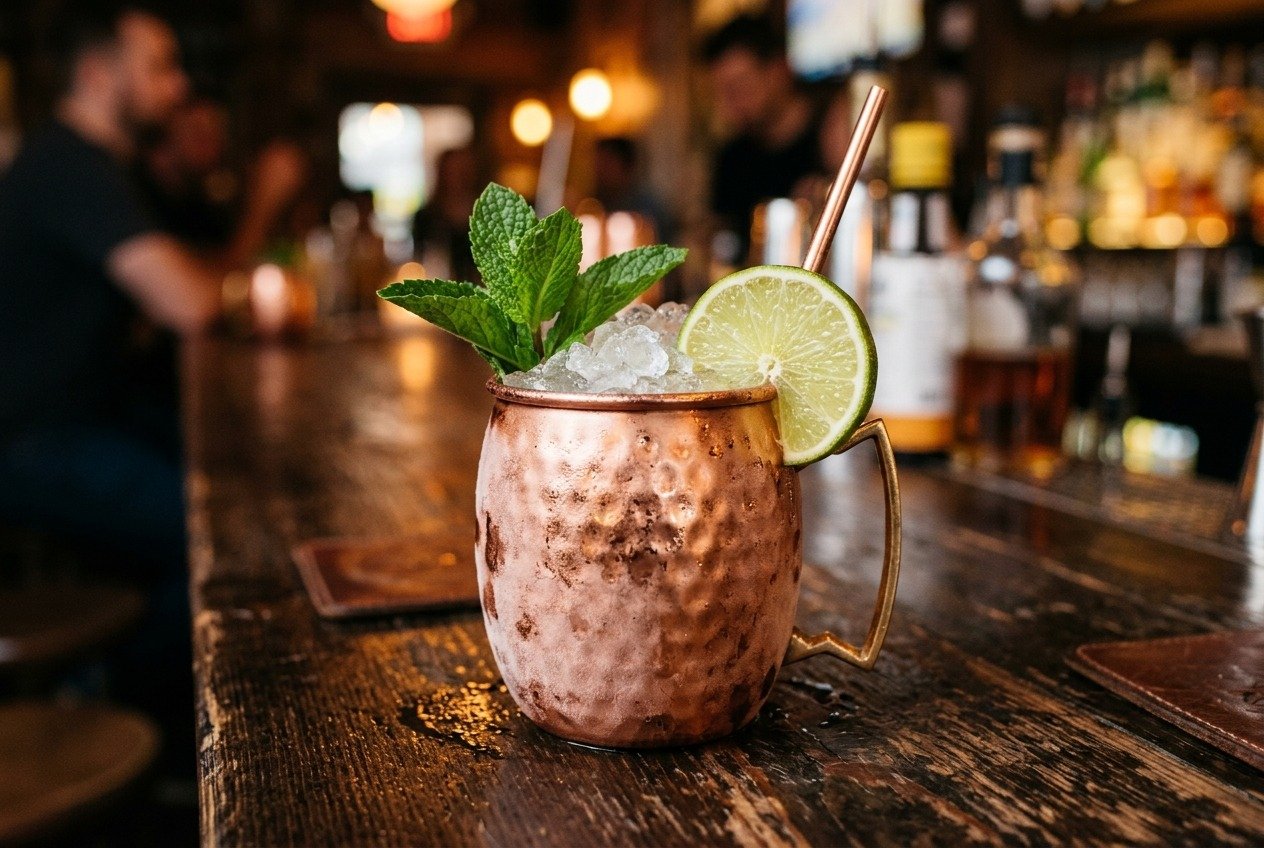
(Related read: want the full story and variations on the classic? Check out our dedicated Moscow Mule cocktail recipe guide.)
Commercial Ginger Beer Brand Guide (United States)
Not all ginger beer tastes the same, and the right bottle depends on what you plan to do with it. Below is how the major US brands compare.
Sugar figures above are approximate and can shift depending on bottle size and formulation, so treat them as a general guide rather than an exact label reading.
If you are mixing cocktails, a drier brand like Fever-Tree or Q Mixers keeps your drink from turning syrupy. If you plan to drink it straight, a sweeter option like Bundaberg is built for that. If you want the ginger kick without the sugar, Reed's Zero Sugar is the standout.
Looking for Non-Alcoholic Ginger Beer Brands?
If alcohol content is your main concern, the good news is simple: nearly every ginger beer brand on a typical US grocery shelf is non-alcoholic. Fever-Tree, Bundaberg, Reed's (including Reed's Zero Sugar), and Q Mixers all sit at 0% ABV. The only brands to watch for are ones explicitly labeled "hard" or "alcoholic," such as Crabbie's, which are usually shelved in the beer or malt beverage section rather than next to regular soda.
A Note on Craft Ginger Beer
Beyond the national brands above, a growing number of small, craft producers make their own ginger beer, often using traditional fermentation with a ginger bug instead of force carbonation. These craft versions tend to be less sweet and more peppery than the big commercial names, since they are not built for years of shelf stability. Availability varies a lot by region, so a local specialty grocer or farmers market is usually a better bet than a national chain.
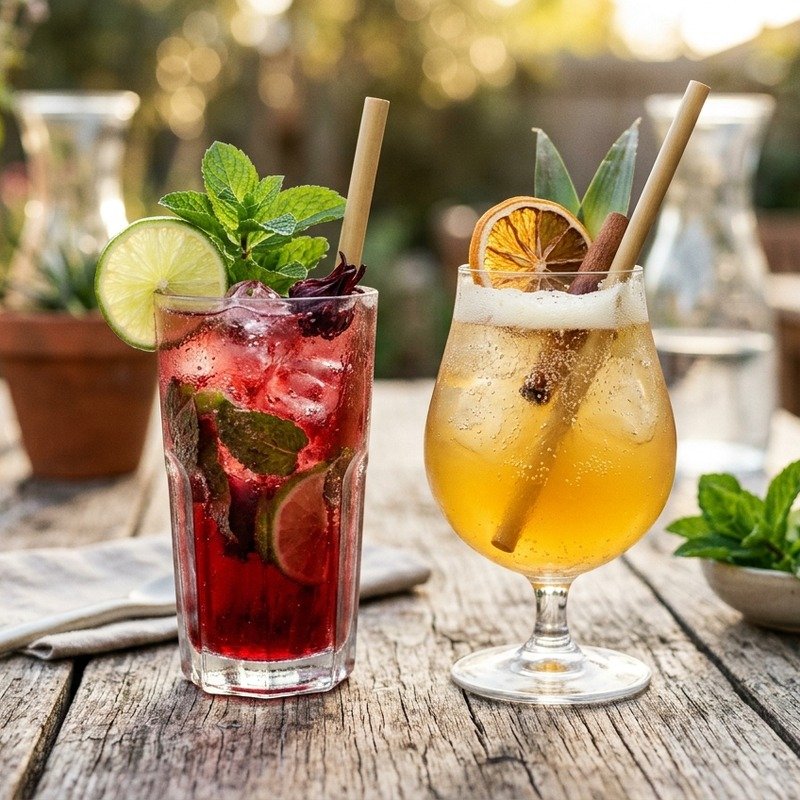
Unlike mild club soda and tonic water, ginger beer provides intense spice and robust effervescence that cuts through dark spirits and citrus.
Frequently Asked Questions About Ginger Beer
❓ What is ginger beer?
Ginger beer is a carbonated ginger drink that started as a fermented beverage made from ginger, sugar, and water. Most ginger beer sold in stores today is a non-alcoholic soft drink made with real ginger extract.
❓ Is ginger beer alcoholic?
Most commercial brands are non-alcoholic, sitting under 0.5% ABV. Hard ginger beer, like Crabbie's, is a genuinely alcoholic beverage at around 4% to 6% ABV and is labeled and sold as such.
❓ What is the difference between ginger beer and ginger ale?
Ginger beer uses real ginger root and tastes bold, spicy, and complex. Ginger ale relies on minimal ginger extract or artificial flavoring and tastes mild and sweet.
❓ Is ginger beer good for nausea?
Ginger root itself contains gingerols with documented anti-nausea effects, particularly for pregnancy-related nausea. The high sugar content in most commercial ginger beer limits its medicinal value, though. Ginger tea or a ginger supplement is a more direct option if nausea relief is the main goal.
❓ What cocktails use ginger beer?
Ginger beer is essential in a Moscow Mule (vodka and lime), a Dark and Stormy (dark rum and lime), and a London Buck (gin and lemon).
❓ How long does homemade ginger beer last?
Quick, non-fermented ginger beer keeps for about five to seven days refrigerated. Traditionally fermented ginger beer keeps for two to three weeks refrigerated once it has finished carbonating.
❓ Can commercial ginger beer help soothe an upset stomach or nausea?
Yes, provided the ginger beer is brewed with real ginger root. Active gingerols and shogaols in natural ginger stimulate gastric emptying and soothe nausea from motion sickness or morning sickness. Check the ingredient label to ensure real ginger extract is used rather than synthetic flavoring.
❓ Can you get intoxicated or fail a breathalyzer test from non-alcoholic ginger beer?
No. Commercial ginger beer sold in soft drink aisles contains less than 0.5% ABV (comparable to the trace ethanol in a ripe banana or loaf of bread). Your liver metabolizes these trace amounts immediately, making intoxication impossible.
Sources and Methodology
This guide draws on historical brewing documentation, peer-reviewed clinical research on Zingiber officinale compounds, and regulatory food safety standards from the following institutions:
- Oxford Companion to Spirits & Cocktails: Historical origins of fermented ginger drinks, 18th-century Yorkshire brewing, and the 1855 British excise law.
- U.S. Food and Drug Administration (FDA) & TTB: Title 27 CFR Part 7 standards for non-alcoholic beverage classification (under 0.5% ABV) and malt beverage labeling.
- USDA FoodData Central: Nutritional analysis of commercial ginger beers, carbohydrate counts, and sugar density profiles.
- National Institutes of Health (NIH) / PubMed: Clinical pharmacology of gingerols and shogaols in gastrointestinal motility and anti-nausea pathways.
Related Fermented & Craft Beverage Guides
Explore our companion guides on botanical brewing, wild fermentation, and craft cocktail mixers: