If you have ever stood in the plant milk aisle staring at ten different cartons, you know the problem. Almond milk is thin and watery. Oat milk is thick but often full of added oil and sugar. You want something that actually tastes rich, without a long list of things you can't pronounce.
Pistachio milk solves that problem in a way most other nut milks can't match.
Quick answer: Pistachio milk is a plant-based drink made by blending soaked, shelled pistachios with water and straining out the solid bits. It has a light green color, a rich and slightly sweet taste, and a good amount of heart-healthy fat. One cup usually has 50 to 80 calories. It froths well for coffee and matcha, and pistachio trees use far less water to grow than almond trees.
It's naturally dairy-free, lactose-free, soy-free, and vegan. It works well for people on keto, low-sugar, or plant-based diets. But homemade pistachio milk does not have much calcium or vitamin D unless a brand adds it back in. And if you have a tree nut allergy, skip it completely. Pistachios are tree nuts, and reactions can be serious.
Below, we break down what pistachio milk is made of, why it's green, what it actually tastes like, how it stacks up against other milks, how to make it at home, what to check for on a store-bought carton, and how to use it in your morning coffee.
What Is Pistachio Milk Made Of?
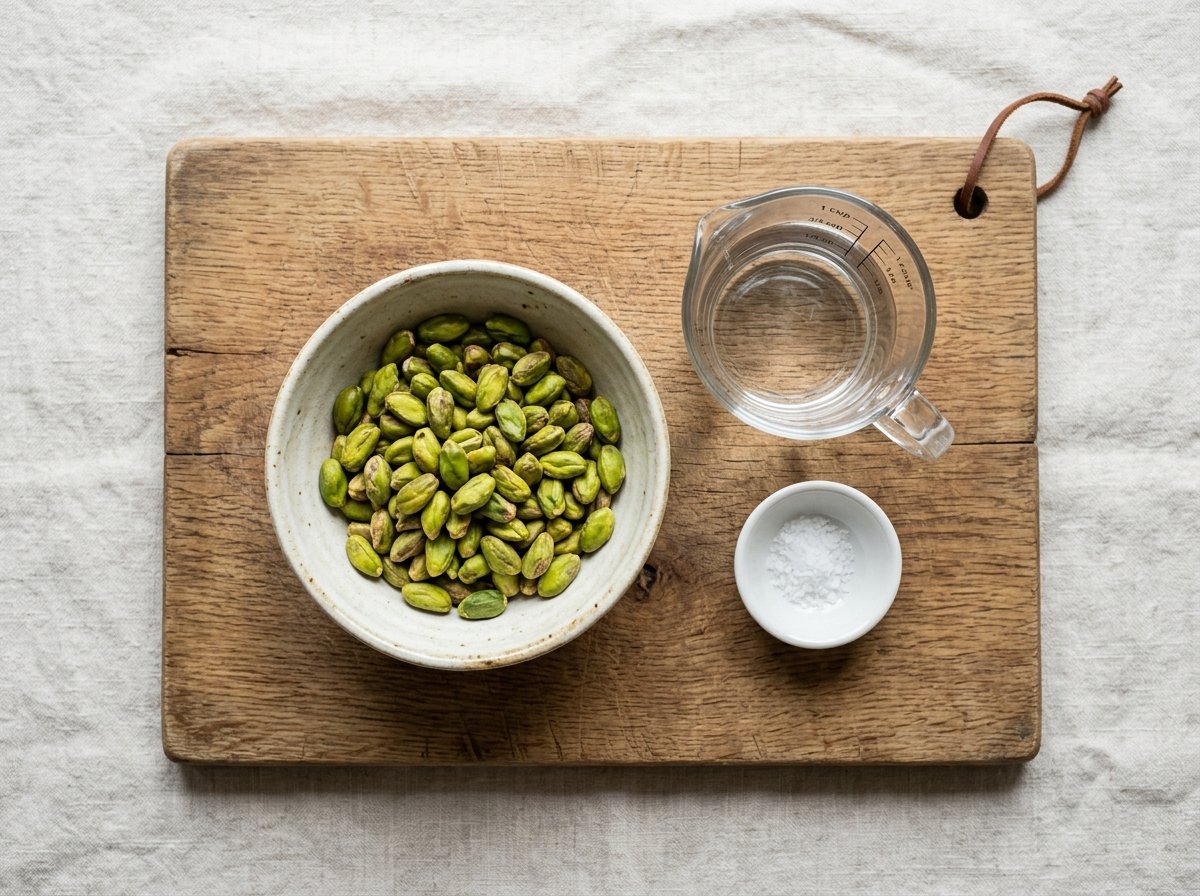
Real pistachio milk needs only two things: raw shelled pistachios and cold, filtered water. Some recipes add a small pinch of salt to round out the flavor. That's it. No gums, no oils, no fillers, if you're making it yourself.
Pistachios come from the Pistacia vera tree, a hardy plant that grows well in dry climates. Most of the pistachios used in American nut milk come from orchards in California's Central Valley, where the trees are built to survive long stretches without much rain.
Why Is Pistachio Milk Green?
The color isn't added. It comes straight from the nut itself, for two reasons:
- Chlorophyll. This is the same green pigment found in leaves. It sits in the outer layer of the pistachio's flesh.
- Lutein and zeaxanthin. These are yellow-green antioxidants that also help protect your eyes. They give the milk its soft, pastel-green shade.
Skip the skins during blending, and you get a brighter, almost emerald milk. Keep the skins on, and you get a more muted, sage-green color. Either way is safe to drink, it's just a style choice.
A Quick Note on Kesar Pista Doodh
If you grew up with Indian sweets or drinks, you may know pistachio milk under a different name: Kesar Pista Doodh. This is not the same product. Traditional Kesar Pista Doodh is made with real cow's milk, ground pistachios, saffron threads, cardamom, and sugar. It's a festive, dairy-based drink. The vegan pistachio milk we cover in this guide is dairy-free from start to finish.
What Does Pistachio Milk Taste Like?
Pistachio milk has a flavor that's hard to mix up with anything else. It's rich and slightly sweet, with a buttery texture that coats your tongue the way whole milk does. Many people say it tastes like marzipan or pistachio gelato, since roasted pistachios carry that same toasted, nutty sweetness.
Pistachio milk creates dense microfoam when steamed with herbal grain brews and roasted coffee substitutes.
Set next to other plant milks, pistachio milk stands apart:
- Almond milk is lighter and more watery, with a mild, almost neutral taste.
- Cashew milk is creamy but fairly plain on its own.
- Oat milk is naturally sweet from the grain, with a thicker, starchier mouthfeel.
- Pistachio milk brings the most distinct, dessert-like flavor of the group, closer to a light nut cream than a thin milk substitute.
Pistachio Milk vs Almond Milk: Which Should You Choose?
These two get compared a lot since both come from tree nuts, but they don't taste or perform the same way.
Almond milk is lower in calories and fat, which makes it a good pick if you want something light for cereal or tea. Pistachio milk has more calories and fat, but that fat is mostly monounsaturated, and it gives the milk a fuller body that holds up better in coffee and cooking.
If you want a light, neutral milk, almond wins. If you want something closer to cream, with a nutty, dessert-like flavor and better steaming performance, pistachio milk is the stronger pick.
Nutrition Facts: How Pistachio Milk Compares to Other Milks
Here's how one cup (8 fl oz) of unsweetened pistachio milk lines up against the most common milk alternatives, plus whole dairy milk for reference.
Blending pistachios into traditional Mexican horchata is an emerging variation on classic fruit and grain aguas frescas.
A few things stand out here. Pistachio milk has more fat and more calories than almond milk, but that fat is mostly the good kind, the same monounsaturated fat found in olive oil. It also has far fewer carbs than oat milk, which makes it a better fit if you're watching blood sugar.
Four Reasons People Choose Pistachio Milk for Health
- Heart support. The oleic acid and plant sterols in pistachios are linked to healthier cholesterol levels.
- Eye health. Lutein and zeaxanthin, the same pigments that give the milk its color, help protect the retina and may lower the risk of macular degeneration over time.
- Steady blood sugar. With only 3 to 5 grams of carbs per cup, pistachio milk won't spike your blood sugar the way grain-based milks can.
- The calcium gap. Unless it's fortified, pistachio milk (like most homemade nut milks) is low in calcium. If you rely on plant milk for calcium, check the label or add leafy greens and tofu to your diet.
Pistachio Milk vs. Almond and Oat Milk: Flavor, Foamability, and Nutrition
As specialty coffee shops and baristas adopt premium plant-based dairy alternatives, pistachio milk has emerged as a top-tier contender against almond and oat milk:
- Microfoam Texture: Pistachios contain balanced natural lipids and proteins that steam into glossy, stable microfoam without requiring excessive synthetic stabilizing gums.
- Buttery Richness: Imparts a sophisticated roasted nutty flavor and subtle jade-green hue that elevates specialty matcha lattes and cold brews.
For lighter dairy-free options, compare with our guide on hypoallergenic rice milk benefits and recipe.
Is Pistachio Milk Good for the Environment?
Water use is one of the biggest reasons people switch away from almond milk, and pistachios come out ahead here.
Pistachio trees grow deep taproots that reach water other plants can't. This is why they survive dry seasons that would wipe out shallow-rooted crops. If you care about your food's water footprint, pistachio milk is one of the better choices on the shelf, right behind oat and soy.
How to Make Pistachio Milk at Home (Step-by-Step)
Making your own pistachio milk takes about fifteen minutes of hands-on work, plus soaking time. Here's the full method.
Pick Your Ratio First
- Light drinking milk: 1 cup pistachios to 4 cups water. Good for cereal or iced tea.
- Standard rich milk: 1 cup pistachios to 3 cups water. This is the all-purpose ratio for smoothies and matcha.
- Barista creamer: 1 cup pistachios to 2 cups water. Thicker, made for steaming and hot coffee.
Steps
- Soak. Soak 1 cup of raw, unsalted pistachios in cool water for 4 to 8 hours. In a hurry? Soak them in boiling water for 30 minutes instead.
- Rinse. Drain the soaking water and rinse the nuts. Keep the skins on for a softer, sage-green milk, or remove them for a brighter emerald color.
- Blend. Add the soaked pistachios, 3 cups of cold filtered water, and a pinch of sea salt to a high-speed blender. Blend on high for 60 to 90 seconds. Add a pitted Medjool date if you want it a little sweeter.
- Strain. Pour the mixture through a nut milk bag into a pitcher. Squeeze until only dry pulp remains.
- Save the pulp. Don't toss it. Leftover pistachio meal works well in pesto, energy balls, or dried out at 200°F to make a gluten-free flour.
Store your finished milk in a sealed glass bottle in the fridge, and use it within four to five days. Shake well before each use, since natural separation is normal.
Using Pistachio Milk in Coffee and Tea
Pistachios carry about 13 grams of healthy fat per ounce, and that fat is what lets pistachio milk steam into silky microfoam, close to what you'd get with whole dairy.
A few tips to keep it from curdling in hot coffee:
- Watch your steam temperature. Heat the milk to 135°F to 140°F. Never let it boil.
- Pour milk first. Add the warm milk to the cup before the hot espresso, not after.
- Match your roast. Pistachio milk pairs best with medium or dark roast espresso, or with cold brew concentrate.
Try This: Iced Pistachio Matcha Latte
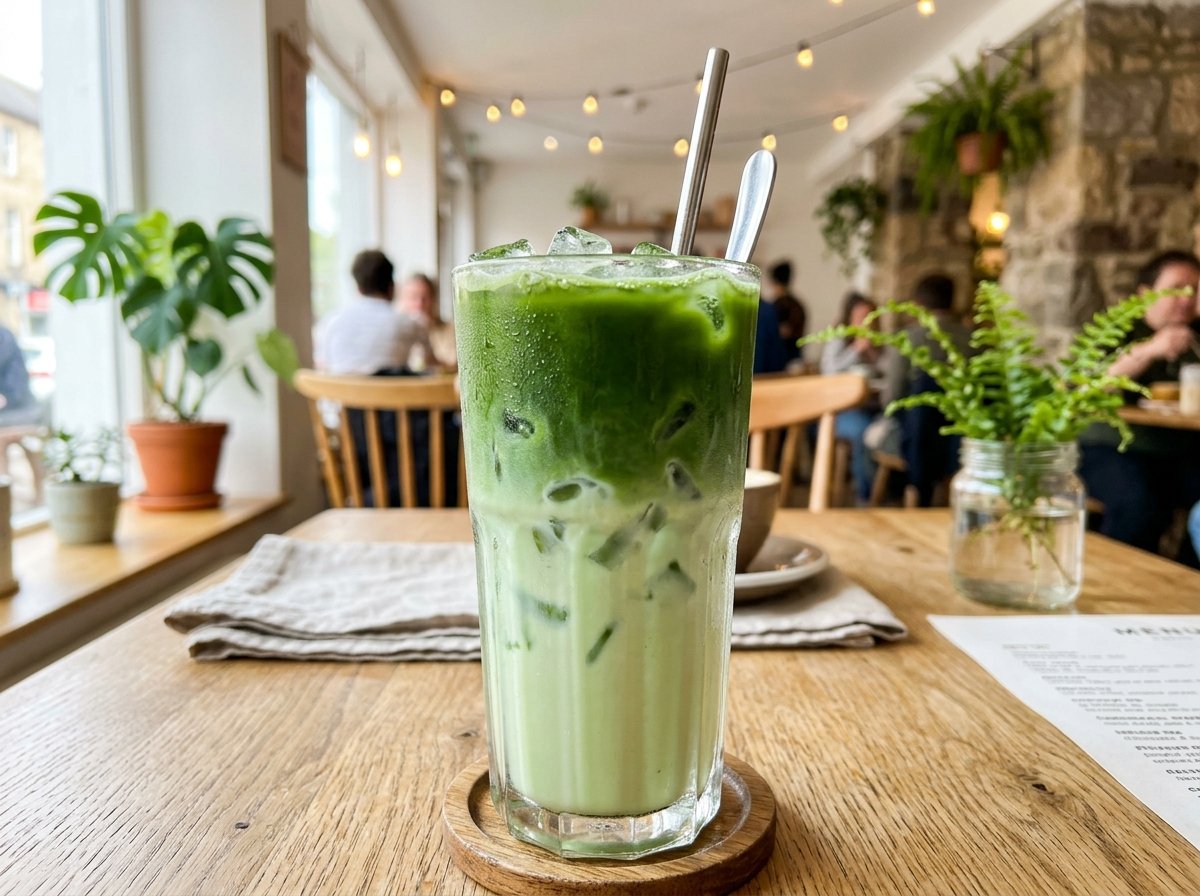
Pour 6 oz of cold pistachio milk and 1 teaspoon of vanilla syrup over ice. Whisk 2 oz of ceremonial matcha separately, then pour it over the top. You'll get a two-tone green drink that tastes as good as it looks.
Buying Pistachio Milk at the Store: What to Check For
Not every carton on the shelf is made the same way as the homemade version above. Here's what to look at before you buy:
- Ingredient list length. A short list, pistachios, water, salt, is closest to homemade. Longer lists usually mean added oils, gums, or sugar.
- Stabilizers. Many commercial brands add dipotassium phosphate, a mineral salt used to stop the milk from separating in the carton. It's considered safe in small amounts, but worth knowing about if you prefer a cleaner ingredient list.
- Fortification. Since homemade pistachio milk is naturally low in calcium and vitamin D, check the label for added calcium carbonate or vitamin D2/D3 if you're using it as a dairy replacement.
- Added sugar. Unsweetened versions are best if you're watching carbs. Vanilla and sweetened versions can add 6 to 9 grams of sugar per cup.
- Extraction method. Some brands and home nut milk machines use mechanical pressure extraction, sometimes marketed under names like HydroRelease, instead of blending and straining by hand. It produces a similar result to the bag method above, just with less manual work.
Its sweet nutty profile and aromatic compounds make pistachio milk a favored culinary substitute in syrup recipes inspired by French almond orgeat.
Nutty plant milks and hydrating basil seed drinks are popular functional beverage categories.
Evaluating demand for premium plant milks aligns with the strategies in how to choose beverage products for your market.
Frequently Asked Questions
❓ What is pistachio milk made of?
Pistachio milk is made by blending raw, shelled pistachios with water and a pinch of salt, then straining the mixture through a nut milk bag to remove the solids.
❓ Is pistachio milk healthier than oat milk?
For anyone watching carbs, yes. Pistachio milk has 3 to 5 grams of carbs per cup compared to 14 to 19 grams in oat milk, and it comes with more heart-healthy monounsaturated fat.
❓ Why is pistachio milk green?
The color comes from chlorophyll and from lutein and zeaxanthin, natural pigments found in the pistachio itself. No artificial food dye is added.
❓ Does pistachio milk froth for coffee?
Yes. Its natural fat content lets it steam into a smooth microfoam similar to dairy milk, as long as you avoid boiling it.
❓ Does pistachio milk curdle in hot coffee?
It can, if the milk is too cold or the coffee is too acidic. Warming the milk first and pouring it before the espresso helps prevent curdling.
❓ Is pistachio milk good for a keto diet?
Yes, its low carb count and high healthy-fat content make it a solid fit for keto and other low-glycemic diets.
❓ Is pistachio milk safe for people with nut allergies?
No. Pistachios are tree nuts, and anyone with a tree nut allergy should avoid pistachio milk completely.
❓ What does pistachio milk taste like?
It tastes rich, buttery, and slightly sweet, with a flavor similar to marzipan or pistachio gelato.
❓ How many calories and carbs are in pistachio milk?
One cup of unsweetened pistachio milk has about 60 to 80 calories and 3 to 5 grams of carbohydrates.
❓ Is pistachio milk good for matcha lattes?
Yes. Its rich, slightly sweet flavor and strong foaming ability make it a popular pick for matcha lattes.
❓ What is the difference between pistachio milk and almond milk?
Pistachio milk has more calories, more fat, and a richer, sweeter flavor. Almond milk is lighter, lower in calories, and more neutral in taste.
❓ Does pistachio milk contain dipotassium phosphate?
Some store-bought brands add it as a stabilizer to stop separation in the carton. Homemade pistachio milk does not contain it.
The Bottom Line
Pistachio milk gives you real creaminess, a naturally sweet and buttery taste, and a nutrition profile built around healthy fats instead of added sugar or starch. It uses far less water to grow than almonds, and it holds up well in hot coffee once you know the right steaming temperature.
Whether you're making it fresh at home or picking a carton off the shelf, pistachio milk is worth a spot in your fridge if you want something that tastes closer to real cream, without the dairy.
Sources and Scientific References
- USDA FoodData Central: Nutrient composition of raw pistachios (Pistacia vera) and commercial plant-based nut milks. [FoodData Central]
- Journal of Agricultural and Food Chemistry: Bioactive compounds, lutein, zeaxanthin, and antioxidant activity in pistachio nuts. [PubMed Central]
- Water Footprint Network / UNESCO-IHE: The water footprint of tree nuts, dairy alternatives, and agricultural drought resilience in California. [WaterFootprint.org]
- American Journal of Clinical Nutrition: Monounsaturated fatty acids, lipid profiles, and cardiovascular risk reduction from nut consumption. [AJCN]
Allergy & Health Notice: Pistachios are tree nuts. Pistachio milk is not safe for individuals with tree nut allergies. This guide is for nutritional education only and does not substitute for medical or dietary advice.
Related Beverage & Sourcing Guides
Explore our practical guides on drink recipes, market selection, and commercial beverage development: