Finding a milk alternative gets hard fast if you deal with food allergies. Dairy causes trouble for anyone with lactose intolerance or a milk protein allergy. Almond and cashew milk are off the table if you have a tree nut allergy. Soy is one of the most common allergens out there, and even oat milk can carry gluten from cross-contamination during processing. Rice milk is the rare option that avoids nearly all of it.
It's naturally free from dairy, lactose, soy, gluten, tree nuts, and peanuts, which is why it's become one of the go-to plant milks for people managing several food sensitivities at once.
Quick answer: Rice milk is a light, plant-based drink made by blending milled rice with filtered water and straining out the solids. It has a naturally sweet, clean, cereal-like taste and a thin texture close to skim dairy milk. One cup has about 110 to 130 calories and 22 to 26 grams of carbohydrates, and it's sweet on its own without any added cane sugar. Because rice absorbs trace amounts of inorganic arsenic from soil, pediatricians advise against using rice milk as a main drink for children under five.
Rice milk is 100% vegan and cholesterol-free, and it's gentle on sensitive stomachs. That said, it's naturally high in simple carbs and low in protein and fat, so it has a high glycemic index that people managing diabetes should watch closely. Homemade rice milk is also unfortified, meaning it lacks the calcium and vitamin D you'd get from dairy milk unless a brand adds them back in.
This guide covers what rice milk is made of, what it tastes like, its full nutrition profile, the arsenic and pediatric safety concerns you should know about, a tested homemade recipe, and how it performs in coffee, baking, and everyday cooking.
What Is Rice Milk Made Of?
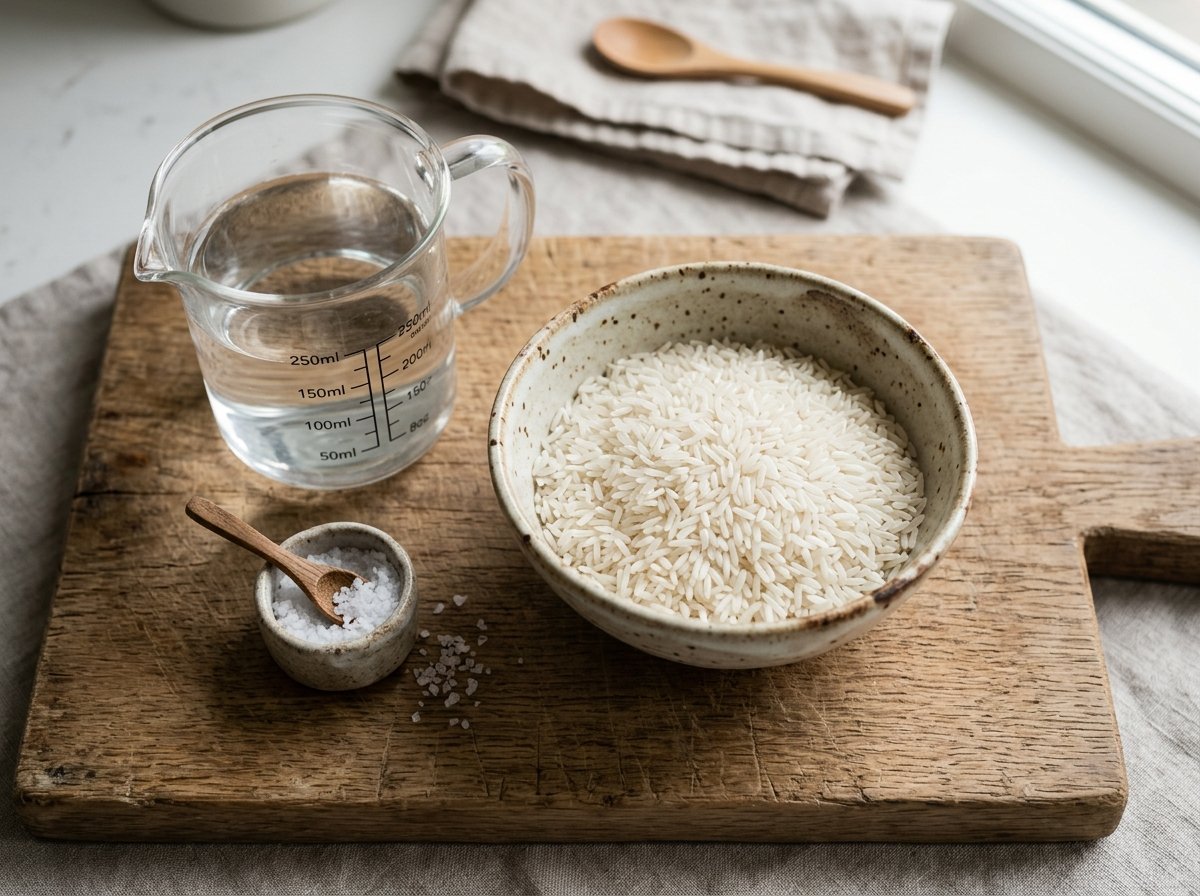
Homemade rice milk needs only two things: milled rice, either brown or white, and fresh filtered water. Most recipes add a small pinch of salt to round out the flavor. Rice itself comes from Oryza sativa, the grass species behind nearly every bowl of rice eaten around the world.
Why Is Rice Milk Naturally Sweet?
Rice milk doesn't need added sugar to taste sweet, and there's a simple reason why.
During commercial processing, producers often add a small amount of natural enzymes, usually amylase, to the milled rice. Those enzymes break down the rice's long starch chains, amylose and amylopectin, into simple sugars called maltose and glucose. It's the same basic process used to make brown rice syrup. That's why many rice milk brands taste noticeably sweet without cane sugar or corn syrup on the ingredient label. Homemade versions rely more on the rice's own natural sugars released during cooking, so they tend to taste milder than store-bought cartons unless you add a sweetener yourself.
Rice Milk vs traditional Mexican agua de horchata: What's the Difference?
If you've had horchata at a Mexican restaurant, you might assume it's the same thing as rice milk. It isn't.
Everyday rice milk is a plain, unsweetened, thin dairy alternative. Traditional Mexican horchata de arroz is a sweetened dessert drink made by steeping rice with cinnamon sticks, vanilla, and cane sugar, often with condensed or evaporated dairy milk mixed in. Think of rice milk as the plain building block and horchata as the sweetened drink that sometimes uses it.
White Rice Milk vs Brown Rice Milk: How Milling Changes the Result
Before rice ever reaches a blender, it goes through a milling step, and which type gets used changes the final milk.
White rice has its outer husk and bran layer removed during milling. That process strips away some fiber and nutrients, but it leaves a smoother, more neutral milk. Brown rice keeps its bran layer intact, so brown rice milk carries more fiber, a slightly nutty flavor, and a somewhat grainier texture than the white rice version.
If you want the lightest, smoothest milk, go with white rice. If you want more fiber and a heartier, nuttier taste, brown rice is the better choice.
What Does Rice Milk Taste Like?
Rice milk has a mild, clean flavor with a light sweetness that comes from the rice itself, not from added sugar. Many people describe it as tasting like slightly sweetened rice water, with a cereal-like note similar to the milk left over in a bowl of cornflakes.
Historically, orgeat syrup was made from barley and rice decoctions, sharing origins with modern sweet almond orgeat syrup.
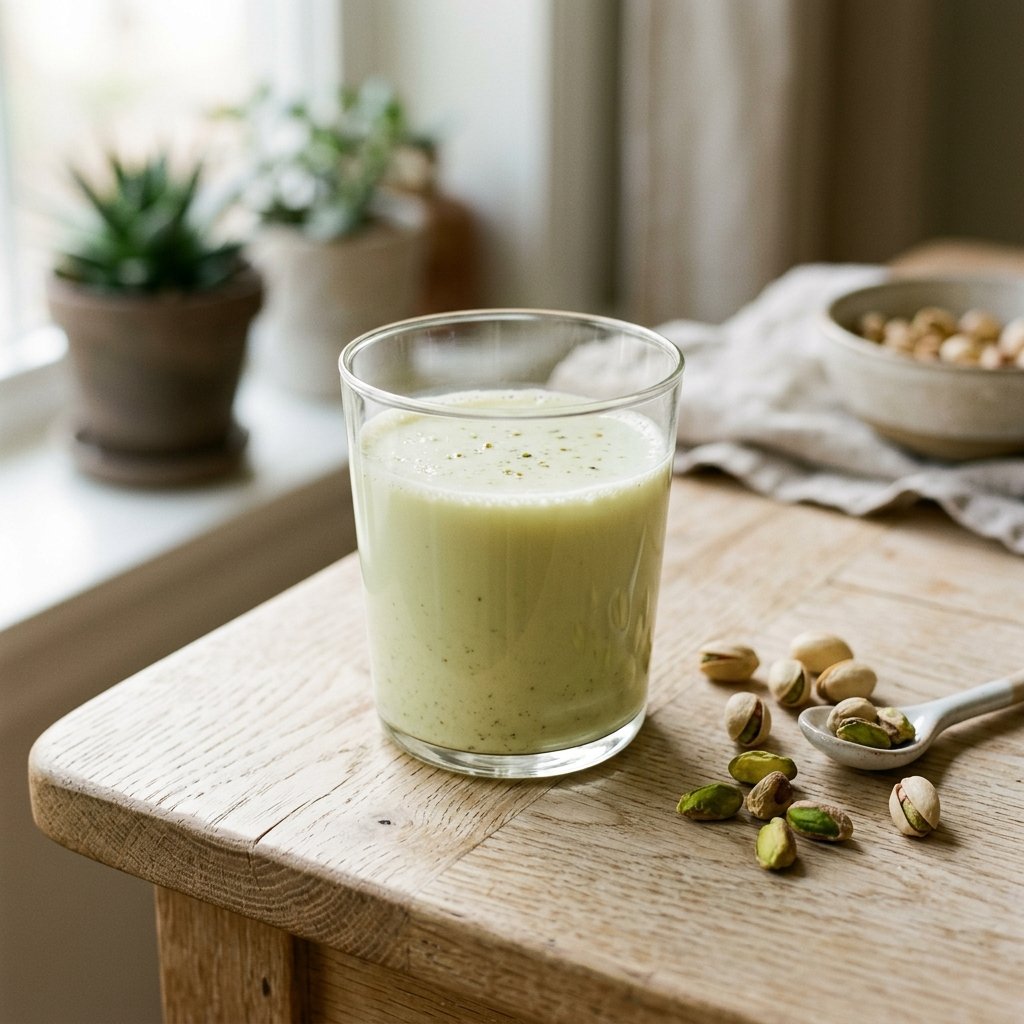
The texture is thinner than almond, oat, or soy milk, closer to skim dairy milk than to a creamy plant milk. It doesn't have the rich body that pistachio or cashew milk carries, which makes it a better fit for light drinking and baking than for a thick, creamy latte.
Rice Milk vs Oat Milk: Which Should You Choose?
Both are naturally sweet, but they don't behave the same way in your glass or your cup.
Oat milk is thicker, higher in fiber, and steams into a creamy foam that holds up in coffee. Rice milk is thinner, lower in fat and protein, and doesn't foam well at all. Rice milk also has a lighter, more neutral flavor, while oat milk carries a heartier, more filling taste.
If you want a milk for lattes and cooking that needs body, oat milk is the stronger pick. If you need something hypoallergenic that works well in cereal, smoothies, or baking, rice milk is the safer and lighter option.
Is Rice Milk 100% Dairy-Free? Hypoallergenic Health Benefits and Uses
Yes, rice milk is 100% dairy-free, lactose-free, and vegan. Among all commercial plant-based milk alternatives (including almond, oat, soy, and coconut), rice milk stands out as the most hypoallergenic milk alternative available on the market.
Unlike rich, toasty malted barley drinks, rice milk features a subtle, neutral grain flavor profile.
Because it is processed solely from whole grain brown or white rice, it is naturally free of all major food allergens: dairy/casein, lactose, soy, gluten, and tree nuts. This makes rice milk the gold standard beverage choice for individuals suffering from severe multiple food allergies, lactose intolerance, or sensitive digestive conditions (such as irritable bowel syndrome).
Why Does Unsweetened Rice Milk Taste Naturally Sweet? The Starch-to-Sugar Process
Many first-time consumers are surprised to find that even unsweetened rice milk has a noticeably sweet taste compared to unsweetened almond or soy milk. This sweetness does not come from added granulated sugar, but rather from the natural enzymatic liquefaction process used in manufacturing.
During production, natural enzymes (amylases) break down complex insoluble rice starches (amylose and amylopectin) into smaller, simpler sugars—primarily maltose and glucose. As a result, a 240ml glass of unsweetened rice milk contains approximately 10g to 13g of naturally occurring simple carbohydrates, giving it a light, refreshing, naturally sweet finish without any artificial sweeteners.
Nutrition Facts: How Rice Milk Compares to Other Milks
Here's how one cup (8 fl oz) of unsweetened rice milk compares to other common milk alternatives, plus whole dairy milk for reference.
Compared to richer, barista-grade nut alternatives like creamy pistachio milk, rice milk is lighter in fat and naturally sweeter due to enzymatic carbohydrate breakdown.
A few things jump out here. Rice milk has the highest carbohydrate and calorie count of the group, well above almond, soy, or coconut milk. It also has the lowest protein content by a wide margin, which is worth knowing if you rely on plant milk as a protein source.
Two Reasons People Choose Rice Milk
- A common pick for allergy-friendly diets, with one exception. Rice milk is free from dairy, soy, gluten, peanuts, and tree nuts, which is why it shows up so often in elimination diets and allergy-friendly meal plans. One caveat: rice itself is also one of the more common trigger foods for FPIES, so if that's a concern in your household, check with a doctor or allergist before assuming rice milk is automatically safe.
- Easy on the digestive system. It's gentle and low in FODMAPs, which makes it a good option during recovery from stomach illness or for people managing IBS.
Is Rice Milk Safe? Arsenic and Pediatric Warnings
This is the part of the rice milk conversation that gets skipped on a lot of recipe sites, but it matters, especially if you're feeding it to a child.
Why Rice Milk Contains Arsenic
Rice grows in flooded paddies, and its roots pull up naturally occurring inorganic arsenic from the soil and water at levels food safety researchers estimate are roughly ten times higher than other grains. Adults can safely process trace amounts of this over time. Long-term, heavy exposure is the real concern, not an occasional glass.
The Pediatric Guidance You Should Know
The FDA has set an arsenic limit for infant rice cereal, not for rice milk specifically. But the same arsenic concern is why pediatric health groups, including the American Academy of Pediatrics, advise against using rice milk as a main drink for infants or children under five. Low protein and fat content is the second reason: rice milk on its own doesn't support a growing child's nutritional needs.
If you're looking for a plant milk for a young child, talk to your pediatrician about fortified soy milk or another option better suited to their needs.
Rice Milk and Blood Sugar
Rice milk has a high glycemic index, typically somewhere in the high 80s to low 90s depending on the brand, which puts it close to how quickly white bread raises blood sugar. It digests fast and converts to glucose quickly, so anyone managing diabetes should treat it as a higher-carb choice and monitor how it affects their blood sugar.
Step-by-Step Master Homemade Rice Milk Recipe
Making rice milk at home takes about ten minutes of hands-on work, plus cooking time for the rice. Here's the full method, including a step that helps reduce arsenic content.
Because rice milk is naturally sweet and light, it pairs smoothly with roasted chicory and caffeine-free coffee substitutes.
Pick Your Ratio First
- Light drinking milk: 1/2 cup cooked rice to 4 cups water. Good for cereal, iced tea, or smoothies.
- Standard milk: 3/4 cup cooked rice to 4 cups water. This is the all-purpose ratio for drinking, baking, and oatmeal.
- Richer creamer: 1 cup cooked rice to 3 cups water. Best for a coffee splash, soups, or sauces.
Steps
- Parboil to cut arsenic. Boil raw rice in six parts water for five minutes, then drain the water completely. This step flushes out a meaningful share of the arsenic before you cook the rice through in fresh water.
- Cook the rice. Finish cooking the parboiled rice in fresh filtered water until it's fully tender.
- Blend. Add 1 cup of cooked rice, 4 cups of cold filtered water, 1/8 teaspoon of sea salt, and optional maple syrup or vanilla to a high-speed blender. Blend for exactly 60 seconds. Don't over-blend, or the milk turns gummy from the starch.
- Strain. Pour the mixture through a fine nut milk bag into a pitcher, squeezing gently to pull out the liquid.
- Bottle and chill. Store in an airtight glass bottle in the fridge for 4 to 5 days. Shake well before pouring, since natural starch settling is normal.
Using Rice Milk in Cooking, Baking, and Coffee
Rice milk isn't a one-size-fits-all substitute. It performs very differently depending on what you're making.
- Baking and cooking: 10 out of 10. Rice milk swaps in for dairy milk at a 1:1 ratio in muffin batter, pancakes, and oatmeal without changing the texture much.
- Coffee and lattes: 4 out of 10. Rice milk's low protein and fat content means it won't steam into microfoam the way oat or pistachio milk does. It works best as a cold splash rather than a steamed pour.

Buying Rice Milk at the Store
A few well-known brands make up most of the rice milk on U.S. shelves:
- Rice Dream, typically fortified with added calcium and vitamin D.
- Pacific Foods, known for organic brown rice versions.
- Kirkland Organic, Costco's store brand.
When you're comparing cartons, check whether the brand fortifies with calcium and vitamin D, since homemade and many unfortified store versions won't have much of either.
Storage and Freezing
Rice milk keeps for 4 to 5 days in the fridge, stored between 35°F and 38°F. Some starch settling at the bottom of the bottle is normal, just shake it well before pouring. If you want to keep a batch longer, freeze it in ice cube trays for up to 3 months, then thaw and shake before use.
In cooking and beverage blending, rice milk serves as an effortless base for Latin American cinnamon agua de horchata.
Scaling commercial plant-milk production requires choosing between OEM vs ODM contract manufacturing for aseptic packaging lines.
Frequently Asked Questions
❓ What is rice milk made of?
Rice milk is made by blending milled white or brown rice with filtered water and a pinch of salt, then straining out the solids.
❓ Is rice milk safe for babies and toddlers?
It is not recommended as a main drink. The American Academy of Pediatrics advises against it for children under five, mainly due to arsenic exposure and rice milk's low protein and fat content.
❓ Is there arsenic in rice milk, and does the FDA have guidelines?
Yes, rice naturally absorbs trace inorganic arsenic from soil and water. The FDA's arsenic limit applies specifically to infant rice cereal, not rice milk, but the same concern is why pediatric groups recommend against rice milk as a young child's primary drink.
❓ Why is rice milk sweet without added sugar?
Commercial producers often add natural enzymes (such as amylase) that break the rice's starches down into maltose and glucose, similar to how brown rice syrup is made. That gives store-bought rice milk its sweetness without any added cane sugar.
❓ Does rice milk raise blood sugar? Is it safe for diabetes?
Rice milk has a high glycemic index, typically in the high 80s to low 90s depending on the brand, and can raise blood sugar quickly. People managing diabetes should treat it as a higher-carb choice and monitor their response.
❓ What is the difference between rice milk and horchata?
Rice milk is a plain, unsweetened base dairy alternative. Horchata is a sweetened dessert drink made by steeping rice with cinnamon, vanilla, and sugar, often with dairy milk added.
❓ What does rice milk taste like?
It tastes mildly sweet and clean, with a cereal-like flavor and a thin texture close to skim dairy milk.
❓ Is rice milk healthy?
It is hypoallergenic and easy to digest, but it is also high in carbs and low in protein, so it works best as part of a varied diet rather than a sole nutrition source.
❓ How do you make rice milk at home?
Parboil rice in excess water to reduce arsenic, cook it fully, blend it with fresh water and a pinch of salt, then strain through a nut milk bag and chill.
❓ Does rice milk work in coffee?
Not well for lattes. Oat milk performs far better since it foams and steams. Rice milk is too thin and low in fat to create stable microfoam, so it works best as a cold splash.
❓ What is the difference between white rice milk and brown rice milk?
White rice milk is smoother and more neutral since the bran is removed during milling. Brown rice milk keeps the bran, giving it more fiber and a slightly nutty flavor.
❓ Is rice milk safe for babies, infants, and toddlers?
Major pediatric organizations (including the AAP and NHS) advise against using rice milk as a primary formula or milk substitute for infants and children under 5 years old. Rice crops naturally absorb inorganic arsenic from soil and water, and rice milk lacks the essential protein and fat profiles needed for early infant brain and bone development.
❓ Can you steam rice milk for hot coffee without it separating?
Rice milk has a thinner viscosity and lower protein content than oat or whole milk, meaning it produces a loose, airy foam rather than dense latte microfoam. To prevent thermal separation in hot espresso, gently warm the rice milk before pouring rather than over-steaming.
The Bottom Line
Rice milk gives you a clean, naturally sweet taste, zero major allergens, and a light texture that works well in baking and simple cold drinks. It won't replace the protein in soy milk or the barista foam of oat milk, and pediatric guidelines advise against it as a main drink for young children due to arsenic and low nutrient density.
For adults looking for an allergy-friendly dairy alternative that digests easily, rice milk is a simple, reliable choice to keep on hand.
Sources and Scientific References
- U.S. Food and Drug Administration (FDA): Arsenic in Rice and Rice Products Risk Assessment and Infant Guidance. [FDA.gov]
- American Academy of Pediatrics (AAP): Clinical Report on Plant-Based Milks and Pediatric Nutritional Deficiencies in Children Under Five. [AAP.org]
- USDA FoodData Central: Nutrient profiles for commercial unsweetened and fortified rice beverages. [FoodData Central]
- European Food Safety Authority (EFSA): Dietary exposure to inorganic arsenic in the European population and grain processing dynamics. [EFSA.europa.eu]
- American Diabetes Association (ADA): Glycemic index standards, carbohydrate absorption rates, and beverage choices for blood glucose management. [Diabetes.org]
Pediatric & Health Notice: Due to naturally occurring inorganic arsenic and low protein/fat levels, pediatric authorities advise against using rice milk as a primary beverage for infants and children under five. Individuals managing diabetes should account for its high glycemic index.
Related Beverage & Sourcing Guides
Explore our practical guides on drink recipes, market selection, and commercial beverage development: