You walk into a Mexican restaurant or market and see large containers filled with deep red, creamy white, pale green, and bright pink drinks.
The signs might say jamaica, horchata, sandía, tamarindo, or limón con chía.
These are all examples of aguas frescas.
So, what is agua fresca?
Agua fresca is a cold drink closely tied to Mexican food culture. It combines water with ingredients such as fruit, flowers, grains, or seeds. Depending on the type, the main ingredient may be blended, steeped, soaked, or strained. Sweetener is often added to taste.
Fruit-based versions are usually lighter than straight fruit juice and much thinner than smoothies because water makes up a larger part of the drink.
Classic examples include jamaica made with hibiscus, Mexican horchata commonly made with rice, tamarindo made with tamarind, and fruit drinks such as watermelon and pineapple.
Agua fresca is a family of cold drinks made by combining water with fruit, flowers, grains, seeds, or similar ingredients.
There is no single agua fresca recipe.
Some types are blended. Others are steeped or soaked.
Some taste fruity and mild. Others are tart, creamy, earthy, or lightly spiced.
That variety is why agua fresca is better understood as a drink category rather than one fixed recipe.
What Does Agua Fresca Mean?
Agua fresca is Spanish.
Merriam-Webster gives the literal origin of the phrase as cool water. You will also often see it translated as fresh water. Its dictionary definition describes a beverage made with water and sugar flavored with fruits, grains, or seeds.
Neither English translation fully explains the culinary meaning.
When you see agua fresca on a menu, it refers to a prepared drink rather than plain cold water.
The standard plural is aguas frescas.
How Do You Pronounce Agua Fresca?
A simple English pronunciation is:
AH-gwah FRES-kah
Merriam-Webster gives the pronunciation as approximately ˈä-gwə-ˈfre-skə.
Where Does Agua Fresca Come From?
Aguas frescas have a long place in Mexican food culture.
Mexico's Secretaría de Agricultura y Desarrollo Rural traces the tradition to the Aztec era. Its account says people crushed fruits, ground flowers, added water, and drank the mixture during journeys.
That is best presented as an official historical account, not proof that one person invented agua fresca at a known place or date.
Today, aguas frescas remain part of Mexican food culture. They appear in homes, markets, restaurants, fondas, cafeterias, street stands, and other food businesses.
What Is a Vitrolero?
A vitrolero is a large beverage container commonly used to display and serve aguas frescas.
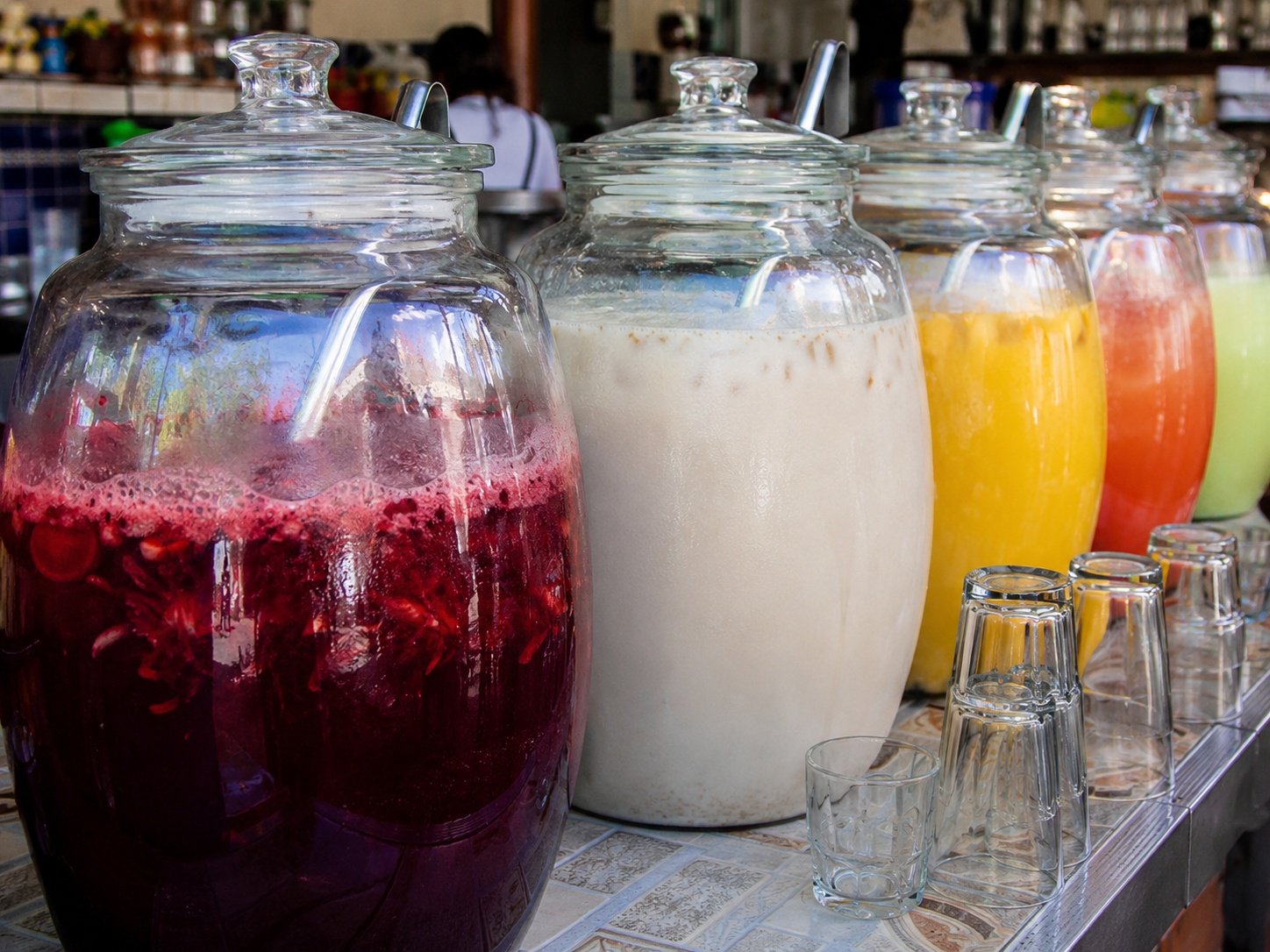
Seeing several vitroleros lined up makes it easy to recognize the different drinks by color.
Jamaica is usually deep red. Horchata is pale or creamy. Watermelon may be pink, while cucumber-lime drinks are often light green.
What Is Agua Fresca Made Of?
There is no universal ingredient list.
A typical agua fresca may contain:
- water
- fruit, flowers, grains, seeds, herbs, or another main ingredient
- optional sugar or another sweetener
- ice
- lime, cinnamon, or another supporting flavor in some recipes
The method changes with the ingredient.
Watermelon can be blended.
Hibiscus is steeped.
Rice used for Mexican horchata is soaked before it is blended and strained.
Tamarind needs its own preparation.
This is why one method cannot cover every type of agua fresca.
Agua Fresca Meaning and English Translation: Fresh Fruit Water Defined
In Spanish, "agua fresca" translates literally to "fresh water" or "cool water" (plural: aguas frescas). In Mexican culinary tradition, the term refers to refreshing, non-alcoholic cold drinks made by blending fresh fruits, grains, seeds, or edible flowers with drinking water, a splash of lime juice, and light sweetener.
Adding chia or sabja seeds to lemon agua fresca creates a cooling texture similar to Asian basil seed drinks.
Unlike heavy, concentrated fruit juices or carbonated sodas, authentic aguas frescas are light, hydrating, and designed to quench thirst on warm afternoons alongside savory Mexican street food.
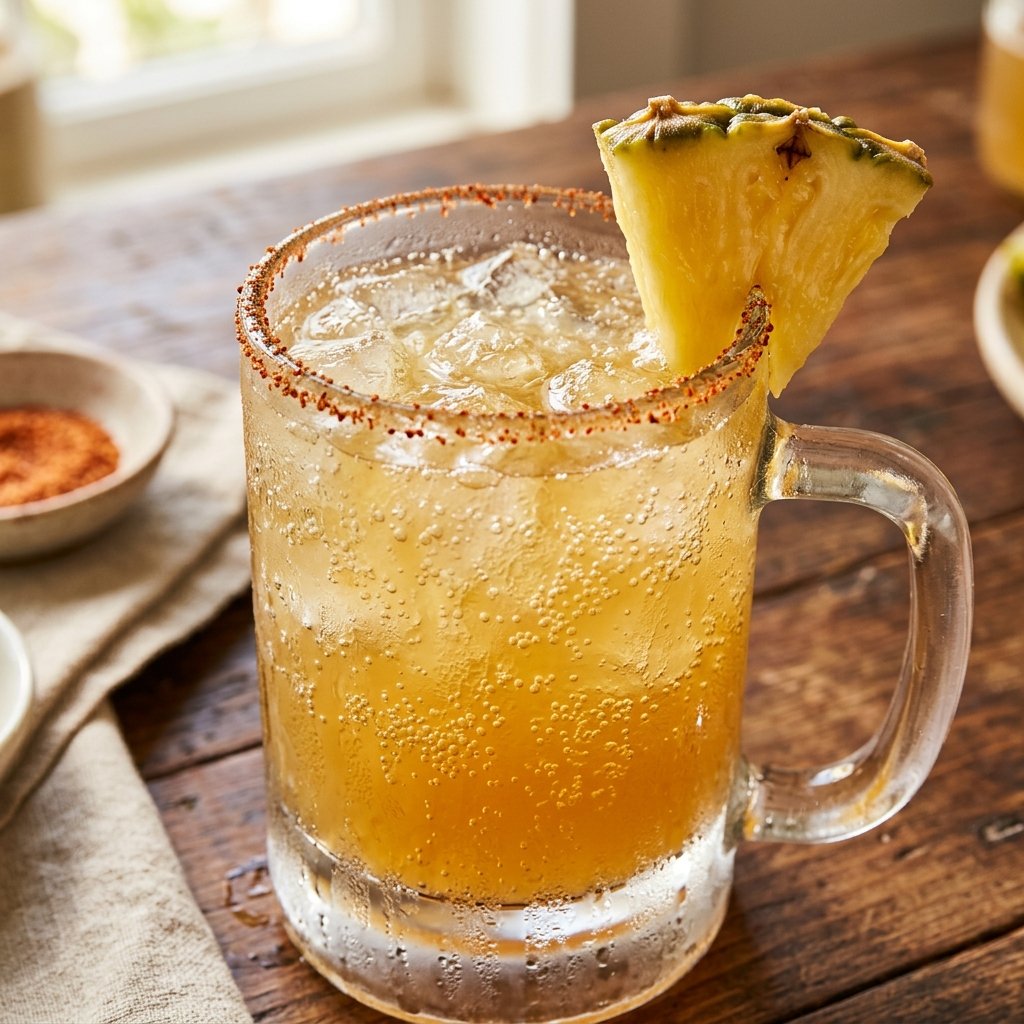
For naturally fermented Mexican pineapple coolers, explore our complete guide to traditional Mexican pineapple tepache.
Main Types of Agua Fresca
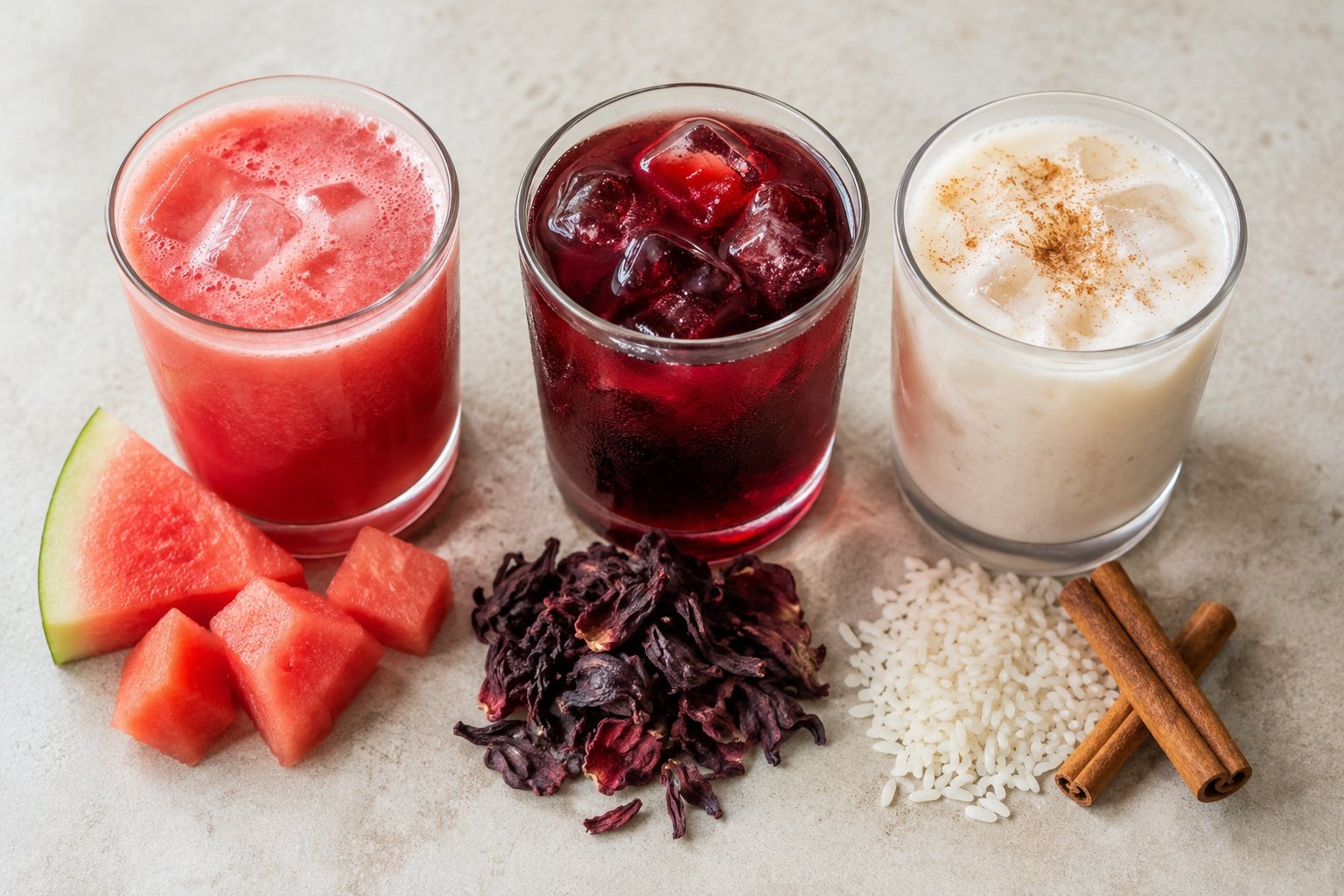
A useful way to sort aguas frescas is by how the main ingredient is prepared.
Blended Fruit and Vegetable Aguas Frescas
Fruit versions are often the easiest to make at home.
Common ingredients include:
- watermelon
- pineapple
- mango
- cantaloupe
- strawberry
- papaya
- guava
- cucumber and lime
The fruit is normally blended with water.
Some recipes are strained for a lighter texture. Others keep more of the pulp.
Steeped Aguas Frescas
Some ingredients release their flavor by steeping rather than blending.
Agua de jamaica is the best-known example.
Dried hibiscus is steeped in water, then removed. The dark red liquid is diluted and sweetened according to taste.
Soaked Aguas Frescas
Other ingredients need time in water before blending.
Mexican horchata is a familiar example.
Rice and cinnamon are commonly soaked, blended, strained, diluted, and sweetened.
The result can feel creamier than a fruit agua fresca even though both belong to the same wider drink category.
Best Fruits for Agua Fresca
Many fruits work, but some are easier for beginners.
The most important rule is simple: start with ripe fruit that already tastes good.
Diluting bland fruit will only make it weaker.
Watermelon
Watermelon is one of the easiest choices.
It contains plenty of water, blends quickly, and pairs naturally with lime.
Because the fruit is already very juicy, it may need less added water than mango or another dense fruit.
Pineapple
Pineapple gives agua fresca a stronger, tangier flavor.
Start with less water and dilute after tasting.
This helps prevent the pineapple flavor from becoming too weak.
Cantaloupe and Other Melons
Ripe melon produces a mild and naturally sweet drink.
Underripe melon can taste watery, so fruit quality matters.
Mango
Mango creates a thicker base.
It often needs more dilution to reach the lighter texture associated with agua fresca.
Strawberries
Strawberries give the drink a bright fruit flavor.
A fine-mesh strainer can remove seeds if you prefer a smoother texture.
Cucumber
Cucumber is often paired with lime.
It creates a lighter drink that is usually less sweet than mango, pineapple, or melon.
Popular Agua Fresca Flavors
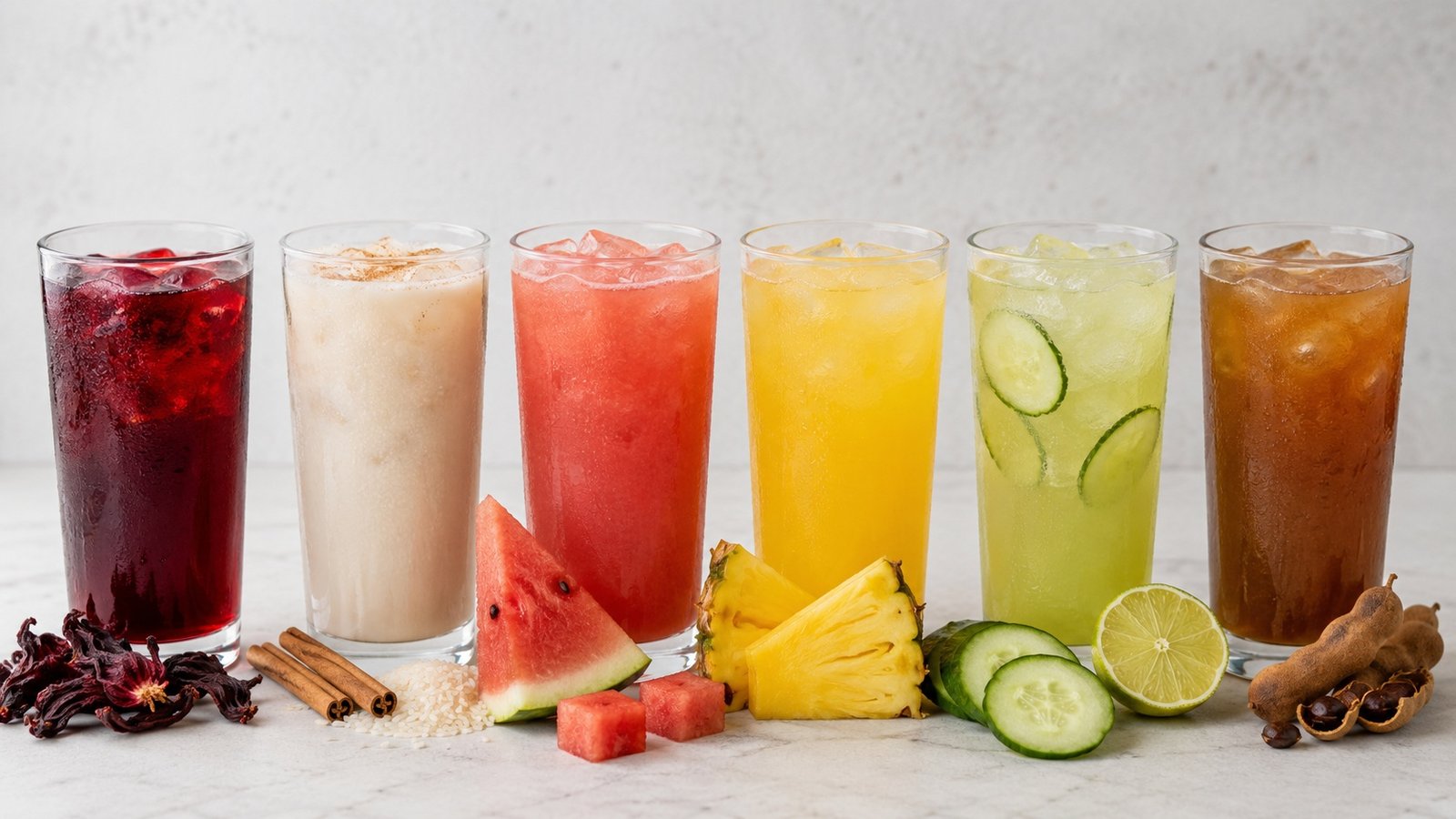
Jamaica
Agua de jamaica is made with dried hibiscus.
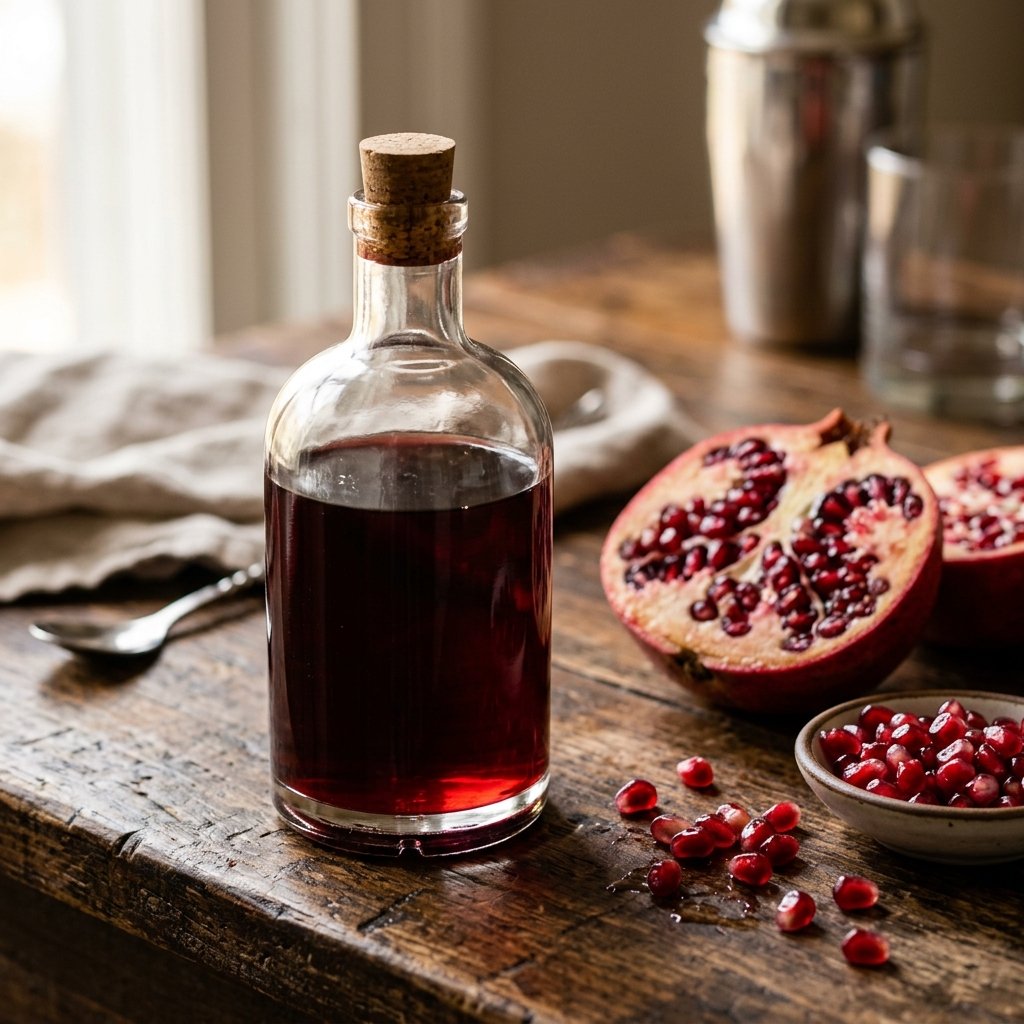
Tart pomegranate notes from real grenadine syrup can be added to lime or watermelon aguas frescas for deep berry-red color.
It has a tart, floral flavor and a deep red color.
Unlike a fresh fruit agua fresca, it is prepared by steeping rather than blending.
Horchata
In Mexico, horchata is commonly made with rice and cinnamon.
The creamy texture of traditional Horchata de Arroz shares its core grain base with modern hypoallergenic rice milk.
Horchata traditions differ in other countries, so Mexican rice horchata should not be treated as the only type of horchata.
Tamarindo
Agua de tamarindo uses tamarind.
Its sweet and tart flavor makes it noticeably different from milder fruit drinks such as watermelon or melon.
Sandía
Sandía means watermelon.
Watermelon agua fresca is mild, fruity, and easy to prepare at home.
Piña
Piña means pineapple.
Pineapple produces a sweeter, sharper drink than watermelon.
Pepino con Limón
Cucumber and lime produce a light and tart agua fresca.
It can be a good choice if you prefer something less sweet.
Limón con Chía
Limón con chía combines lime with hydrated chia seeds.
Traditional and Modern Agua Fresca Variations
Not every flavor sold today has the same historical background.
Classic varieties commonly associated with Mexico include jamaica, horchata, tamarindo, limón con chía, watermelon, and other seasonal fruit drinks.
Modern variations can still make good aguas frescas.
The important point is to avoid calling every new flavor a historic or traditional recipe unless there is evidence for that claim.
Less Common and Regional Aguas Frescas
The category is wider than the drinks most often seen on US restaurant menus.
Mexican sources also describe aguas frescas made with ingredients such as:
- zapote
- guanábana
- passion fruit
- chilacayota
- mamey seed
- xoconostle
- beet
- alfalfa
- barley
These examples show why defining agua fresca as only fruit water is too narrow.
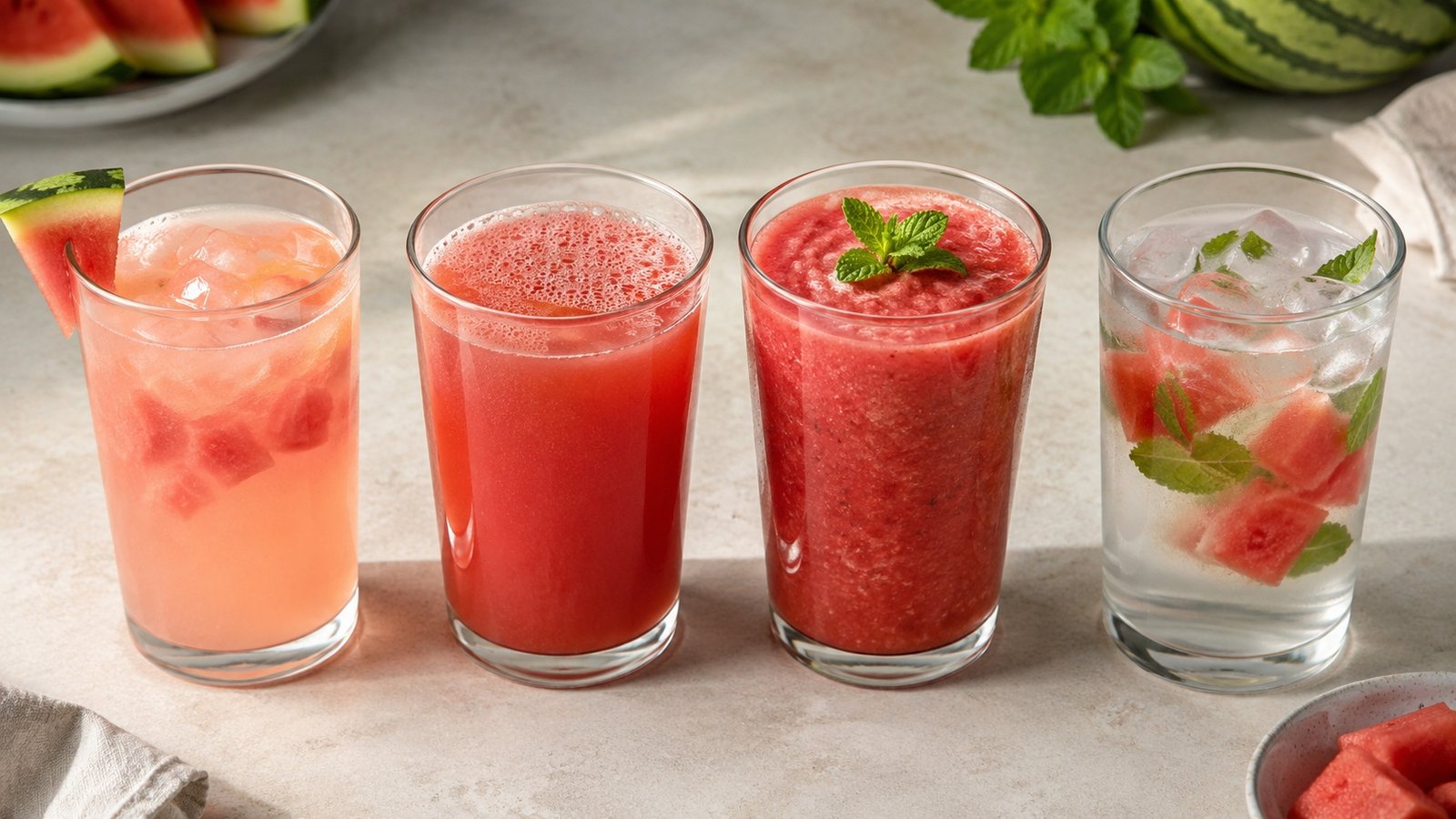
Agua Fresca vs Juice, Smoothies, Infused Water, Horchata and Tepache
These drinks can look similar, but their preparation and texture differ.
Agua Fresca vs Juice
Fruit juice is usually more concentrated.
Fruit agua fresca combines fruit with additional water, creating a lighter drink.
That difference affects both flavor and texture.
Agua Fresca vs Smoothie
Smoothies usually retain most of the whole fruit and may include ingredients such as yogurt, milk, oats, or nut butter.
They are thick.
Agua fresca uses more water and may be strained, so it is usually much lighter.
Agua Fresca vs Infused Water
Infused water is usually made by allowing pieces of fruit, cucumber, or herbs to sit in water.
The ingredients remain mostly intact.
Agua fresca uses the main ingredient more directly through blending, steeping, soaking, or another preparation method.
Is Agua Fresca the Same as Spa Water?
Not in the usual culinary sense.
The practical lesson is simple.
If a drink is based on an established agua fresca preparation, using the established name gives readers clearer culinary and cultural context.
Agua Fresca vs Horchata
Mexican horchata is commonly considered a type of agua fresca.
So these are not two completely separate categories.
Think of it this way:
Agua fresca is the wider family. Horchata is one member of that family.
Agua Fresca vs Tepache
Tepache is different because fermentation is central to the drink.
Aguas frescas are normally blended, steeped, soaked, or mixed rather than fermented.
How Do You Sweeten Agua Fresca?
There is no correct amount of sugar for every batch.
Ripe watermelon or mango may need little or no added sweetener.
Tart hibiscus or tamarind may need more.
Taste the drink after you dilute it before deciding.
Plain sugar adds sweetness without changing the flavor very much.
Another ingredient you may come across in Mexican cooking is piloncillo, a traditional cane-sugar sweetener.
Piloncillo is not required for agua fresca.
Use it only when its deeper cane-sugar flavor suits the recipe.
Should You Add Dairy to Agua Fresca?
A basic fruit agua fresca does not need dairy.
Fruit, water, and optional sweetener are enough.
Horchata is different because recipes vary. Some versions use only soaked grains, seeds, or nuts with water, while other modern recipes add milk or milk products.
Do not treat dairy as a basic requirement for the whole agua fresca category.
Simple Flavor Pairings
A second ingredient should support the main flavor rather than cover it.
Useful combinations include:
- watermelon + lime
- cucumber + lime
- pineapple + lime
- pineapple + mint
- horchata + cinnamon
- lime + chia
These are starting points, not rules.
Good fruit often needs very little help.
How to Make Agua Fresca at Home
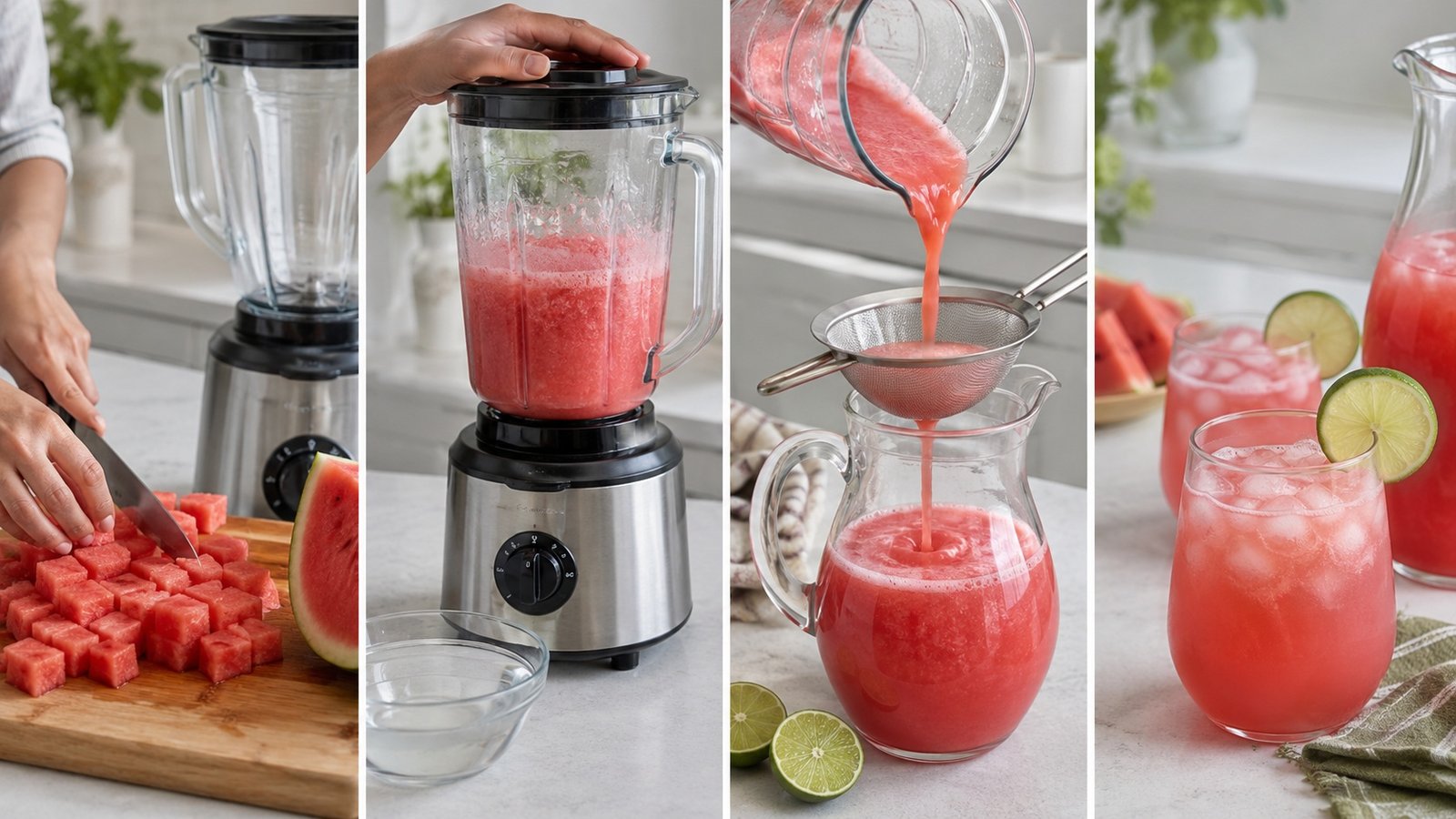
There is no universal fruit-to-water ratio.
Watermelon contains far more water than mango. Pineapple can have a stronger flavor than melon. Ripeness also changes how much dilution and sweetener a drink needs.
Use the recipe below as a starting point.
Easy Fruit Agua Fresca Recipe
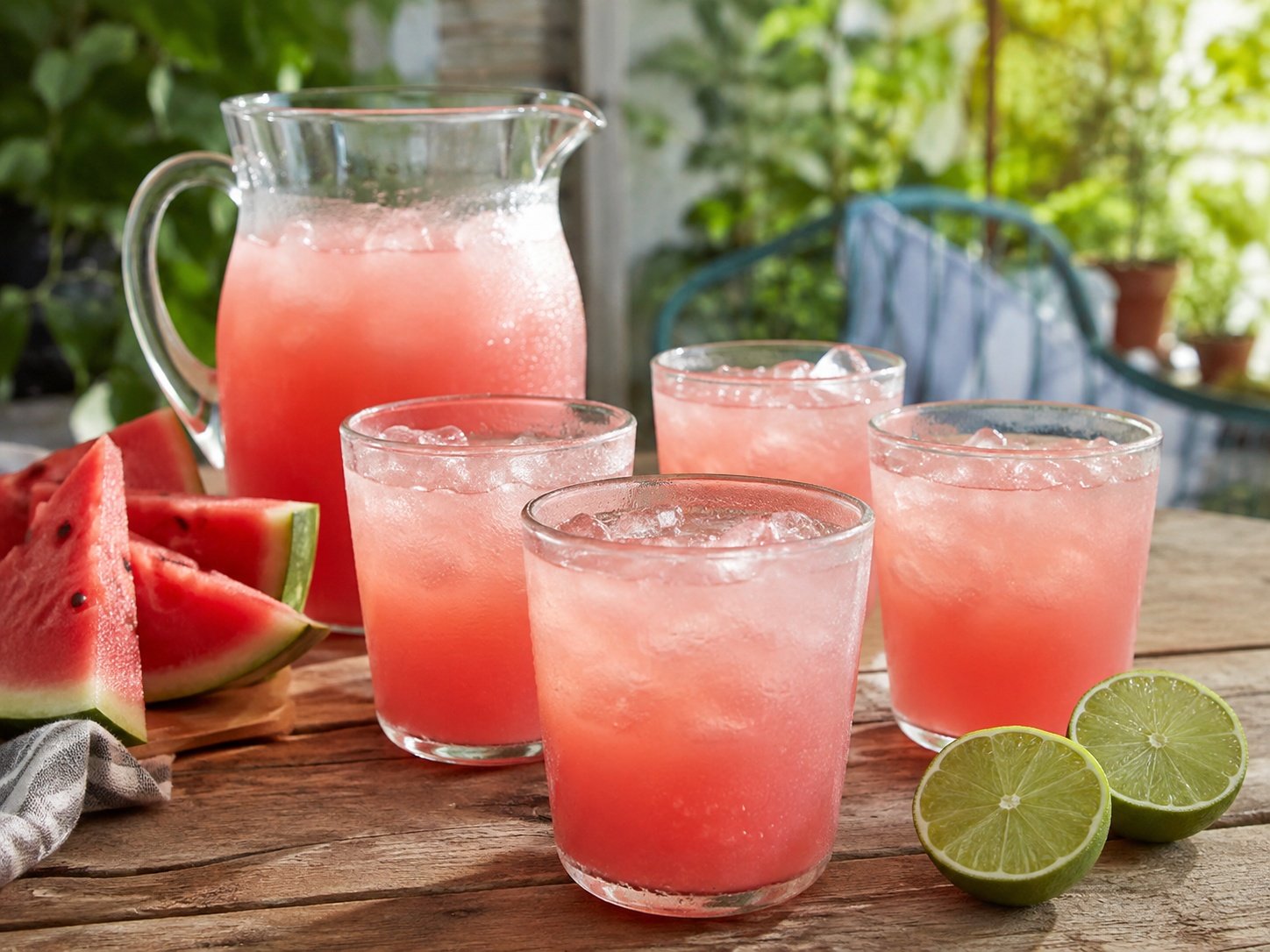
Makes: About 4 servings
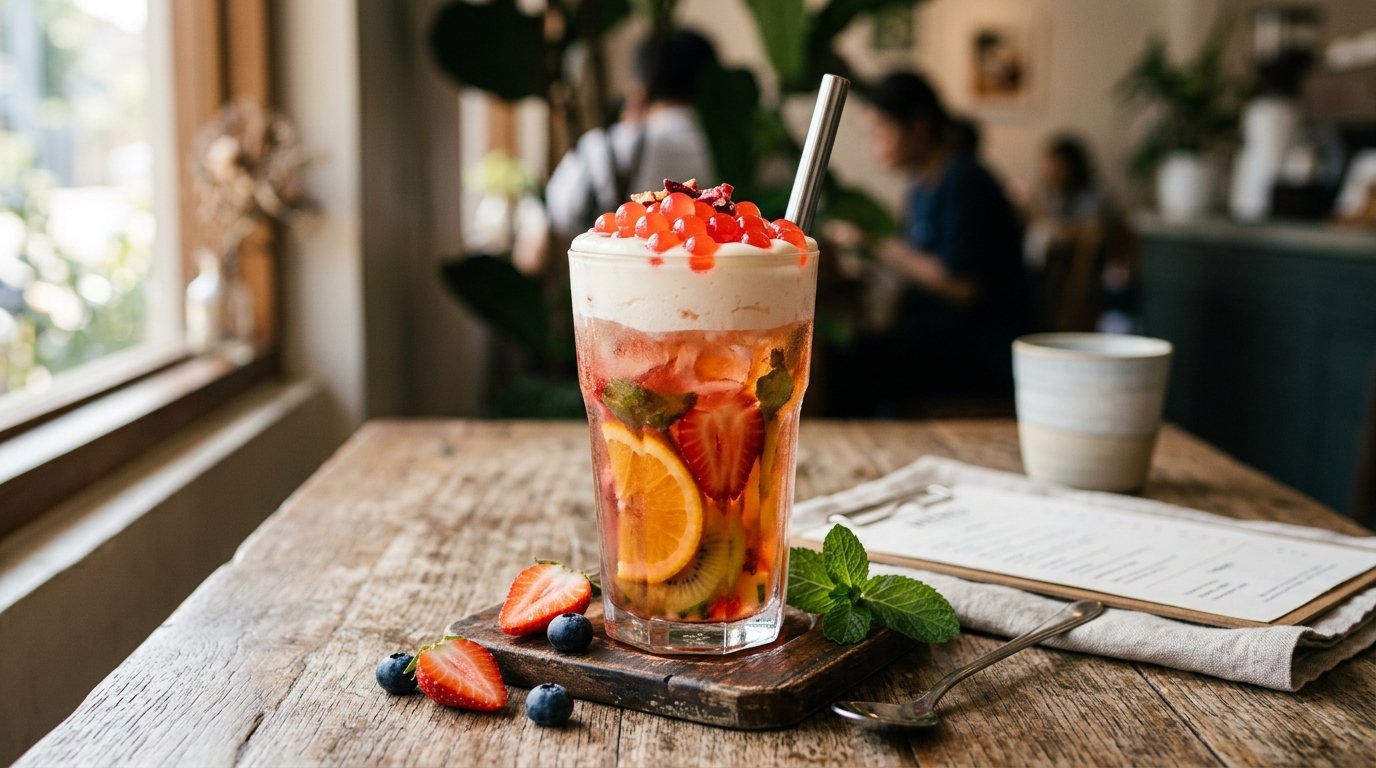
You can also customize your fruit blends with iced tea bases and popping pearls by exploring our guide on how to make easy fruit refreshers at home.
Equipment
- blender
- measuring cup
- pitcher
- spoon
- glasses
- fine-mesh strainer, optional
Ingredients
- 2 cups ripe chopped fruit
- about 3 cups cold water, divided
- 1 tablespoon fresh lime juice, optional
- 1 to 2 tablespoons sugar or another sweetener, optional
- ice for serving
1. Start With Ripe Fruit
Taste the fruit first.
If it already tastes weak, adding water will make it weaker.
2. Blend With Part of the Water
Add the fruit and about one cup of water to a blender.
Blend until smooth.
Starting with less water gives you more control over the final flavor.
3. Strain if Needed
Pour the mixture through a fine-mesh strainer if you want a lighter texture.
This can remove seeds, coarse pulp, and tough fibers.
Straining is optional.
4. Add Water Gradually
Pour the fruit mixture into a pitcher.
Add the remaining water a little at a time.
Taste as you go.
Stop when the drink feels light and refreshing but still clearly tastes of the fruit.
5. Taste Before Adding Sugar
Do not sweeten automatically.
Add a small amount only if the finished drink needs it.
6. Add Lime if It Fits
Lime can work especially well with watermelon, pineapple, cucumber, mango, strawberry, and melon.
It is optional.
7. Chill and Serve
Refrigerate until cold.
Serve over ice.
If the pitcher will sit for a long time, add ice to individual glasses rather than filling the pitcher. This helps prevent excess dilution.
Do You Have to Strain Agua Fresca?
No.
Straining changes the texture rather than deciding whether the drink counts as agua fresca.
A fine-mesh strainer can remove seeds and coarse pulp.
Leaving some pulp gives the drink more body.
Can You Use Frozen Fruit?
Yes.
Frozen fruit can work well, especially when fresh fruit is out of season.
Because freezing changes texture, start with less water than you think you need.
Blend first and dilute afterward.
Can You Make Agua Fresca Without Sugar?
Yes.
Sugar is not necessary in every batch.
Very ripe watermelon, mango, melon, or pineapple may already taste sweet enough.
Taste first.
Common Agua Fresca Mistakes
Using Bland Fruit
Water cannot fix weak fruit.
Start with ripe fruit that you enjoy eating on its own.
Adding Too Much Water at Once
You can easily dilute a strong drink.
It is much harder to restore flavor after over-diluting it.
Sweetening Before Tasting
Fruit sweetness changes from batch to batch.
Taste after adding water, then decide.
Leaving Too Much Ice in the Pitcher
Melting ice keeps adding water.
Use ice in individual glasses if the pitcher will sit for some time.
Using the Same Method for Every Ingredient
Watermelon, hibiscus, rice, and tamarind behave differently.
Choose the method that fits the ingredient.
Straining Everything
Some drinks are better with a little pulp.
Strain because you want a certain texture, not because you think it is always required.
Making It Too Thick
A fruit agua fresca should generally be lighter than a smoothie.
If it becomes thick and spoonable, add a little more water.
What Food Goes With Agua Fresca?
Aguas frescas are commonly served with Mexican foods and antojitos.
There is no fixed pairing.
Tart jamaica can cut through richer food.
Horchata gives a softer contrast to spicy dishes.
Watermelon, melon, and pineapple work easily with tacos and grilled foods.
Is Agua Fresca Healthy?
It depends on the recipe.
A homemade fruit agua fresca with little added sugar is very different from a heavily sweetened bottled product.
The finished nutrition depends on:
- the ingredient used
- how much fruit goes into the drink
- how much water is added
- how much pulp remains
- how much added sugar is used
Avoid broad claims that every agua fresca is healthy or unhealthy.
The recipe matters.
What About Added Sugar?
The amount varies widely.
For homemade drinks, taste before sweetening.
For bottled or powdered drinks, check the Added Sugars line on the Nutrition Facts label.
The FDA uses 50 grams of added sugars as the Daily Value based on a 2,000-calorie diet. That is a daily reference value, not a target for one serving of agua fresca.
Does Agua Fresca Contain Alcohol?
The classic aguas frescas covered in this guide are non-alcoholic drinks.
Modern bars and home recipes can add alcohol, so check the recipe or menu if this matters to you.
Does Agua Fresca Have Caffeine?
Classic fruit, hibiscus, tamarind, and rice-based aguas frescas do not normally contain coffee or tea, so they do not usually rely on caffeine.
Modern or packaged products can use different ingredients.
Check the label if you need to avoid caffeine completely.
How Long Does Agua Fresca Last in the Fridge?
Fresh fruit agua fresca is best made in small batches.
Keep it covered and refrigerated.
USDA food-safety guidance says cold perishable foods should be kept at 40°F or below. Perishable foods generally should not remain unrefrigerated for more than two hours, or more than one hour when the temperature is above 90°F.
Those are general food-safety rules, not an official USDA shelf life specifically for agua fresca.
For quality, fresh fruit agua fresca is best consumed promptly.
Discard the drink if it shows mold, an unusual odor, unexpected fermentation, or another clear sign of spoilage.
Serving Agua Fresca for a Group
Keep the main batch cold.
Modern plant-based horchata recipes often incorporate creamy barista pistachio milk for rich nutty flavor.
For outdoor events, keep extra drink refrigerated or in a cooler and refill a smaller serving pitcher as needed.
Serving ice in individual glasses also helps prevent the main batch from becoming watery.
For a larger gathering, try offering different styles.
A fruit agua fresca, jamaica, and horchata give guests three very different tastes and textures.
Frequently Asked Questions
❓ What is agua fresca?
Agua fresca is a cold drink closely tied to Mexican cuisine. It is made by combining water with ingredients such as fruit, flowers, grains, or seeds. The ingredient may be blended, steeped, or soaked depending on the drink.
❓ What does agua fresca mean in English?
It is often translated as fresh water, while Merriam-Webster gives the literal origin as cool water. In a food setting, the term refers to a prepared drink rather than plain water.
❓ How do you pronounce agua fresca?
A simple pronunciation is AH-gwah FRES-kah.
❓ Is agua fresca Mexican?
Aguas frescas are strongly associated with Mexican cuisine and food culture. Mexican government sources trace the preparation tradition to the Aztec era.
❓ What is agua fresca made of?
It can contain fruit, flowers, grains, seeds, herbs, or similar ingredients combined with water. Common examples use watermelon, hibiscus, rice, tamarind, lime, or chia.
❓ What are the most popular agua fresca flavors?
Some of the best-known varieties are horchata, jamaica, tamarindo, limón con chía, watermelon, pineapple, melon, and cucumber-lime.
❓ What fruit is best for agua fresca?
Watermelon, pineapple, ripe melon, mango, strawberries, papaya, and guava can all work. The best fruit is ripe, flavorful fruit.
❓ Is horchata an agua fresca?
In Mexican cooking, horchata is commonly classed as one type of agua fresca.
❓ Is jamaica an agua fresca?
Yes. Agua de jamaica is a classic agua fresca prepared with hibiscus.
❓ Is agua fresca the same as juice?
No. Fruit agua fresca usually contains more added water, so it is lighter and less concentrated than straight fruit juice.
❓ Is agua fresca a smoothie?
No. Smoothies are usually thicker and retain more whole fruit. Agua fresca contains more water and may be strained.
❓ Is agua fresca the same as infused water?
No. Infused water normally gets flavor from ingredients sitting in water. Agua fresca uses the main ingredient more fully through blending, steeping, soaking, or another preparation method.
❓ Is tepache an agua fresca?
Tepache is normally treated as a different drink because fermentation is central to its preparation.
❓ Can agua fresca be made without sugar?
Yes. Ripe fruit may already be sweet enough.
❓ Do you have to strain agua fresca?
No. Straining gives the drink a lighter texture. Leaving more pulp gives it more body.
❓ Can you make agua fresca with frozen fruit?
Yes. Start with less water and adjust after blending.
❓ Should agua fresca contain milk?
Basic fruit agua fresca does not need milk. Some horchata recipes and modern variations may contain dairy.
❓ Is agua fresca healthy?
It depends on the recipe. Fruit, dilution, pulp, and added sugar all affect the final nutrition.
❓ Does agua fresca contain alcohol?
Classic aguas frescas are non-alcoholic, although alcohol can be added to modern versions.
❓ Does agua fresca contain caffeine?
Most classic aguas frescas do not use caffeinated ingredients. Check packaged or modern products individually.
❓ How long does agua fresca last in the refrigerator?
Keep fresh agua fresca covered and refrigerated at 40°F or below. For best quality, consume a homemade fruit version promptly rather than making a large batch far in advance.
Which Agua Fresca Should You Try First?
If you are making agua fresca for the first time, start with watermelon, pineapple, or ripe melon.
They are easy to blend and easy to adjust.
Try jamaica or tamarindo if you prefer tart flavors.
Choose horchata if you want something softer and lightly spiced.
The main point to remember is that agua fresca is a family of drinks, not one fruit-water recipe.
The basic approach is simple: choose a flavorful ingredient, prepare it in the right way, add water, adjust the sweetness, chill, and serve.
From there, you can explore each variety in more detail.
Sources and Cultural References
- Gobierno de México (Secretaría de Agricultura y Desarrollo Rural): Aguas frescas: la riqueza líquida del campo mexicano y sus raíces prehispánicas. [Gob.mx]
- Merriam-Webster Dictionary: Etymology, definition, and phonetic pronunciation of agua fresca (cool water). [Merriam-Webster]
- American Heart Association (AHA News): Nutritional considerations, hydration benefits, and fiber retention in homemade aguas frescas. [Heart.org]
- U.S. Food and Drug Administration (FDA): Daily Value Guidelines for Added Sugars (50g/day reference on a 2,000-calorie diet). [FDA.gov]
- USDA Food Safety and Inspection Service (FSIS): Safe Temperature Zones (<=40°F) and Perishable Beverage Handling Guidelines. [USDA FSIS]
Culinary & Food Safety Guidance: Fresh fruit aguas frescas contain perishable botanical ingredients. Keep refrigerated below 40°F (4°C) and consume within 2 days. The FDA 50g added-sugar Daily Value is a daily reference limit, not a single-serving target.
Related Beverage & Sourcing Guides
Explore our practical guides on drink recipes, market selection, and commercial beverage development: