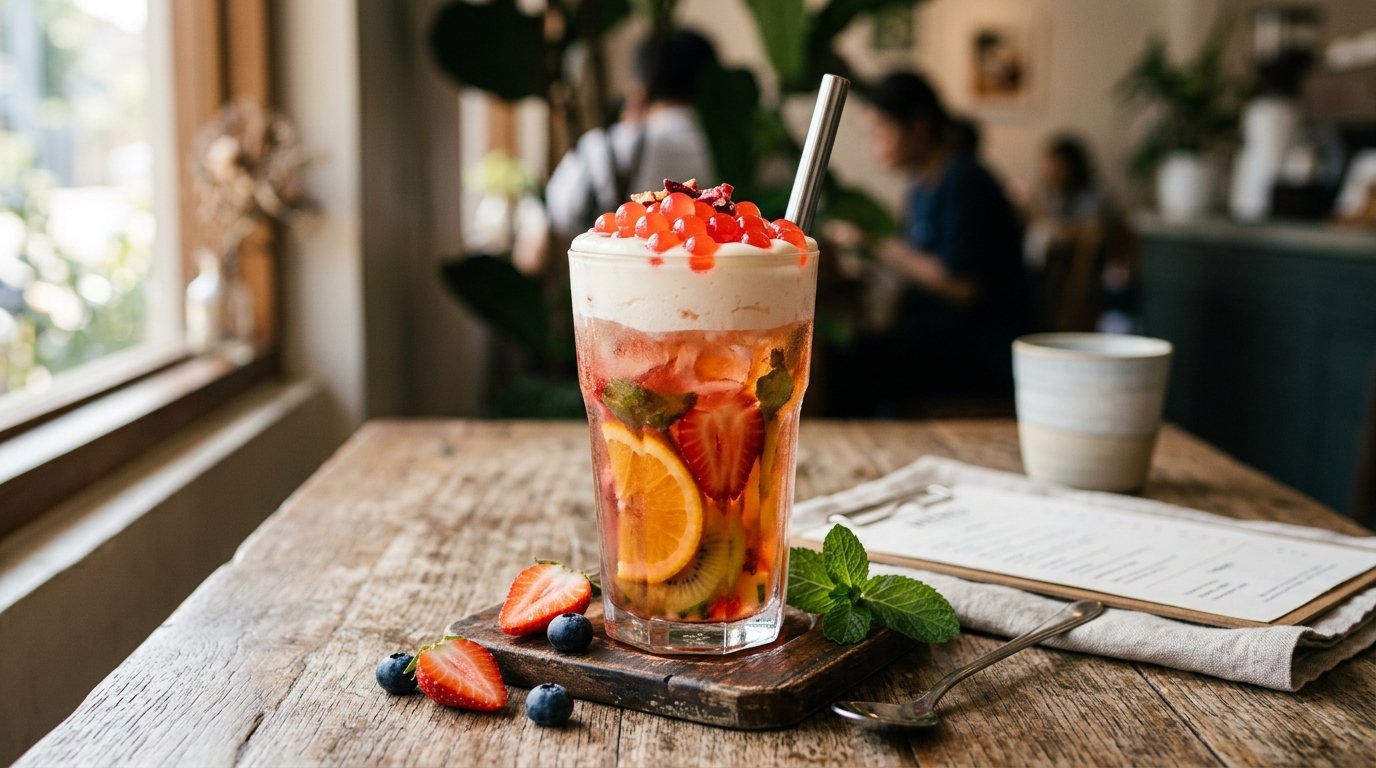
Many beer lovers want the crisp, bitter bite of an IPA or the roasted richness of a stout, minus the grogginess and disrupted sleep that come with alcohol. For decades, non-alcoholic beer meant settling for a thin, metallic drink that tasted nothing like real beer.
That's no longer true. Brewing technology has caught up, and non-alcoholic beer is now one of the fastest-growing drink categories in the United States. The flavor gap between NA beer and its full-strength cousin keeps closing every year.
Quick answer: Non-alcoholic beer is beer with 0.5% alcohol by volume (ABV) or less. It's brewed with the same core ingredients as regular beer, water, malted barley, hops, and yeast, then brewers use methods like vacuum distillation, membrane filtration, or specialty yeast strains to remove or limit ethanol while keeping the body, aroma, and carbonation people expect from a real beer.
It works well for social occasions, post-workout refreshment, or a quiet night in. It offers plant polyphenols and B vitamins with far fewer calories than standard beer. But most NA beers still carry trace alcohol up to 0.5% ABV, so anyone who is pregnant, in recovery, or taking certain medications should understand the labeling rules and safety boundaries before pouring a glass.
This guide covers how non-alcoholic beer is labeled and regulated in the US, how it's brewed, what it does to your body, and how to choose one you'll actually enjoy.
What Is Non-Alcoholic Beer? US Legal Definitions Explained
Before you can judge a non-alcoholic beer, it helps to know how regulators actually define it. Two federal agencies split the job. The Alcohol and Tobacco Tax and Trade Bureau (TTB) regulates any beer brewed from malted barley and hops, no matter how low the alcohol content drops, because federal law defines "malt beverage" by ingredients, not ABV. A beer without malted barley and hops, or one that isn't fermented at all, gets handled by the Food and Drug Administration (FDA) instead.
The Three US Labeling Categories
Alcohol-Free (0.0% ABV). This label is reserved for drinks with zero detectable alcohol. Reaching a true 0.0% takes heavy-duty processing, like thermal vacuum distillation, spinning cone technology, or non-fermenting cultures. Heineken 0.0 and Budweiser Zero fall into this group.
Non-Alcoholic (less than 0.5% ABV). Federal rules allow any beverage under 0.5% ABV to carry the "Non-Alcoholic" label, as long as the exact ABV statement appears next to it on the can. Most craft NA beers on shelves today, including Athletic Brewing, Sierra Nevada Trail Pass, and Untitled Art, sit in this category.
Dealcoholized or Low Alcohol. These beers started out as full-strength beer, often 5% to 6% ABV, then had the ethanol stripped out down to below 0.5%. The label must say "Dealcoholized" or "Alcohol Removed" so shoppers know the beer went through a full brew and extraction process instead of a limited fermentation.
You're Already Eating Trace Alcohol Every Day
Here's something most people don't realize: plenty of everyday foods carry small amounts of natural alcohol from fermentation or ripening, and some contain more than a craft NA beer does.
That burger bun number tends to surprise people most. Research on everyday fermented foods, including a widely cited German study on hidden food alcohol, has found that ordinary bread rolls can carry more trace alcohol than most NA beers on the shelf. If a sandwich at lunch doesn't worry you, a craft NA beer sits in a similar range. The exception is anyone who needs true zero alcohol, which is covered in the safety section below.
What Ingredients Are in Non-Alcoholic Beer? Water, Malt, Hops, and Yeast
True craft non-alcoholic beer adheres to the exact same centuries-old brewing principles as traditional beer. The vast majority of quality non-alcoholic beers contain only four pure, natural ingredients:
While zero-proof beer relies on malted barley, hops, water, and yeast to mirror traditional brewing, sweet non-alcoholic malt drinks utilize unfermented wort for a sweeter, soda-like refreshment.
- Filtered Brewing Water: Comprises over 90% of the beverage, with precise mineral profiles (calcium, sulfates) tailored to specific beer styles.
- Malted Grains (Barley, Wheat, Oats): Provides body, deep amber-golden color, complex bready notes, and dietary polyphenols.
- Aromatic & Bittering Hops (Humulus lupulus): Adds essential hop oils (myrcene, humulene) for floral, citrus, and pine aromas while balancing unfermented grain sweetness with crisp bitterness.
- Specialized Brewer’s Yeast: Brewed with lazy or maltose-negative yeast strains that consume simple sugars for rich esters without converting complex maltose into ethanol.
How Is Non-Alcoholic Beer Made? The Brewing Science
Back in the 1980s and 1990s, big industrial breweries made near-beer by boiling regular beer at high heat, often above 173°F (78°C), until the alcohol cooked off. That intense heat scorched the malt sugars and boiled away the delicate hop aromas, leaving behind a thick, cloying drink that tasted more like raw grain than beer.
Consumers seeking low-ABV and non-alcoholic fermented options also look to Latin American heritage drinks like fermented pineapple tepache.
For craft mocktail programs, non-alcoholic lagers and IPAs are frequently paired alongside spicy naturally brewed ginger beer to offer varied botanical drinking experiences.
Craft brewers today use gentler, more precise methods to control alcohol without wrecking flavor.
Vacuum distillation. Under reduced air pressure, ethanol boils off at a much lower temperature, around 85°F to 95°F (29°C to 35°C), so the alcohol evaporates without cooking the malt sugars. Spinning cone columns separate and reintroduce the hop oils and aromatics that would otherwise be lost in the process.
Reverse osmosis membrane filtration. High-pressure filtration pushes beer through a fine membrane that separates ethanol and water from the concentrated malt and hop flavors. Brewers then blend the flavor concentrate back with fresh water to rebuild the beer's body.
Arrested fermentation. Brewers chill the beer to near-freezing, around 32°F (0°C), which stops the yeast before it can produce much alcohol. This method keeps a lot of natural malt sweetness and works well for lighter styles.
Specialty maltose-negative yeast. Strains such as Saccharomycodes ludwigii consume simple glucose but cannot break down maltose, the main sugar in beer. That limits alcohol production naturally, often landing between 0.3% and 0.5% ABV, without any extra distillation step.
Each method produces a different flavor profile, which is why two "non-alcoholic" beers can taste completely different from each other. A future guide on this site walks through exactly how each brewing method changes mouthfeel and aroma, so you can match a method to your taste preference.
Non-Alcoholic Beer Nutrition Facts: Calories, Carbs, and Sugar
One of the biggest reasons people switch to non-alcoholic beer is the nutrition trade-off. Cutting the alcohol also cuts a big chunk of the calories, since alcohol itself carries 7 calories per gram, more than carbs or protein.
A few things stand out here. Non-alcoholic beer usually has less than half the calories of its full-strength version. It also holds onto more of its carbs relative to calories, since the carbs come from unfermented malt sugars rather than alcohol. And compared to soda, NA beer has a fraction of the sugar.
If you're tracking carbs closely, or curious how NA beer stacks up against wine and spirits, a dedicated breakdown of non-alcoholic beer calories and carbs on this site covers brand-by-brand numbers in more depth.
Health Benefits of Non-Alcoholic Beer
Swapping regular beer for non-alcoholic beer does more than trim calories. A few real benefits show up in the research on NA beer's ingredients.
Craft zero-proof beers provide complex bitterness from hops, whereas highball mixers like tonic water and club soda rely on quinine or crisp mineral salts.
Lower calorie and alcohol burden. Removing most of the ethanol gives your liver far less work to do, and your daily calorie count drops noticeably if beer is a regular part of your routine.
Plant polyphenols from hops and barley. Hops contain compounds like xanthohumol, a polyphenol studied for its antioxidant properties. Malted barley contributes its own polyphenols, most of which survive the dealcoholization process intact.
B vitamins and minerals. Because non-alcoholic beer still goes through malting and, in many cases, real fermentation, it retains B vitamins and minerals like potassium. That's part of why some athletes reach for it after a workout.
Possible hydration support. Full-strength alcohol is a diuretic, meaning it pulls water out of your body, so non-alcoholic versions avoid that dehydrating effect. Some small studies on marathon runners and soccer players have found NA beer performs close to an isotonic sports drink for post-exercise fluid balance, largely because of its sodium and potassium content. Other controlled trials have found no measurable difference between NA beer, water, and sports drinks. The honest summary: it's a reasonable recovery drink, not a proven upgrade over water.
None of this makes non-alcoholic beer a health drink. It's still a carbohydrate-containing beverage, and moderation still matters. But compared to a standard beer, the trade-offs mostly run in your favor.
Is Non-Alcoholic Beer Safe? Pregnancy, Recovery, and Medication Questions
This is the part of the conversation that clinical health sites cover well and commercial review sites usually skip. Because most non-alcoholic beer still contains trace alcohol, a few groups need to pay closer attention.
Pregnancy. The CDC states plainly that there is no known safe amount, safe time, or safe type of alcohol during pregnancy, and that guidance applies to beer and wine the same as spirits. Since most NA beers can legally contain up to 0.5% ABV, the safer choice during pregnancy is a verified 0.0% alcohol-free option, or skipping NA beer altogether and asking an OB-GYN directly.
Alcohol use disorder and recovery. This one is personal, and the recovery community is genuinely split on it. Some people avoid non-alcoholic beer entirely because the taste, ritual, and trace alcohol can act as a trigger. Others use it successfully as a substitute for years. There's no single right answer here, so it's worth talking it through with a sponsor, therapist, or treatment provider rather than deciding from the label alone.
Breathalyzer results. Drinking one or two NA beers is very unlikely to trigger a breathalyzer, since the alcohol content is so low, especially once some time has passed. Drink several in a short window, though, and a small reading isn't impossible. It's not a guaranteed zero.
Medication interactions. Certain medications, including metronidazole and some other antibiotics, warn against any alcohol, even in small amounts. If you're on a medication with an alcohol warning, check with your pharmacist before drinking NA beer.
Liver health. For most people, occasional non-alcoholic beer poses little risk to liver health, since the ethanol content is minimal. People with existing liver disease should still check with their doctor, since even small amounts of alcohol and sugar intake can matter for their specific condition.
For a deeper, medically reviewed breakdown of these safety questions, see our dedicated guide on whether non-alcoholic beer is safe during pregnancy and recovery.
How to Choose the Best Non-Alcoholic Beer
With hundreds of NA beers now on shelves, picking one comes down to matching the brewing method and style to what you actually like to drink.
If you love hoppy IPAs, look for NA beers made through vacuum distillation, since that method best preserves hop aroma. Brands like Athletic Brewing and Untitled Art lean into this style.
If you want something closer to a classic lager, arrested fermentation or maltose-negative yeast methods tend to produce a cleaner, more traditional malt character.
If zero alcohol is a hard requirement for you, check the label carefully. Only drinks marked "Alcohol-Free" or "0.0%" are verified to have no detectable alcohol. "Non-Alcoholic" alone still permits up to 0.5% ABV.
If you care about carbs or calories, compare labels directly, since NA beer nutrition varies more brand to brand than regular beer does.
A full side-by-side ranking of the best non-alcoholic beers by style, including stouts, IPAs, and lagers, is available in our companion buying guide, along with tasting notes for each.
What Dry Hopping and Lupulin Mean for Flavor
Two brewing terms explain most of the aroma difference between NA beers on the shelf.
Dry hopping means adding hops to the beer after the boil, often during or after fermentation, instead of boiling them in. Boiling drives off the fragile aromatic oils in hops, so brewers who want a beer to smell citrusy, piney, or tropical add hops late, when there is no more heat to burn those oils away.
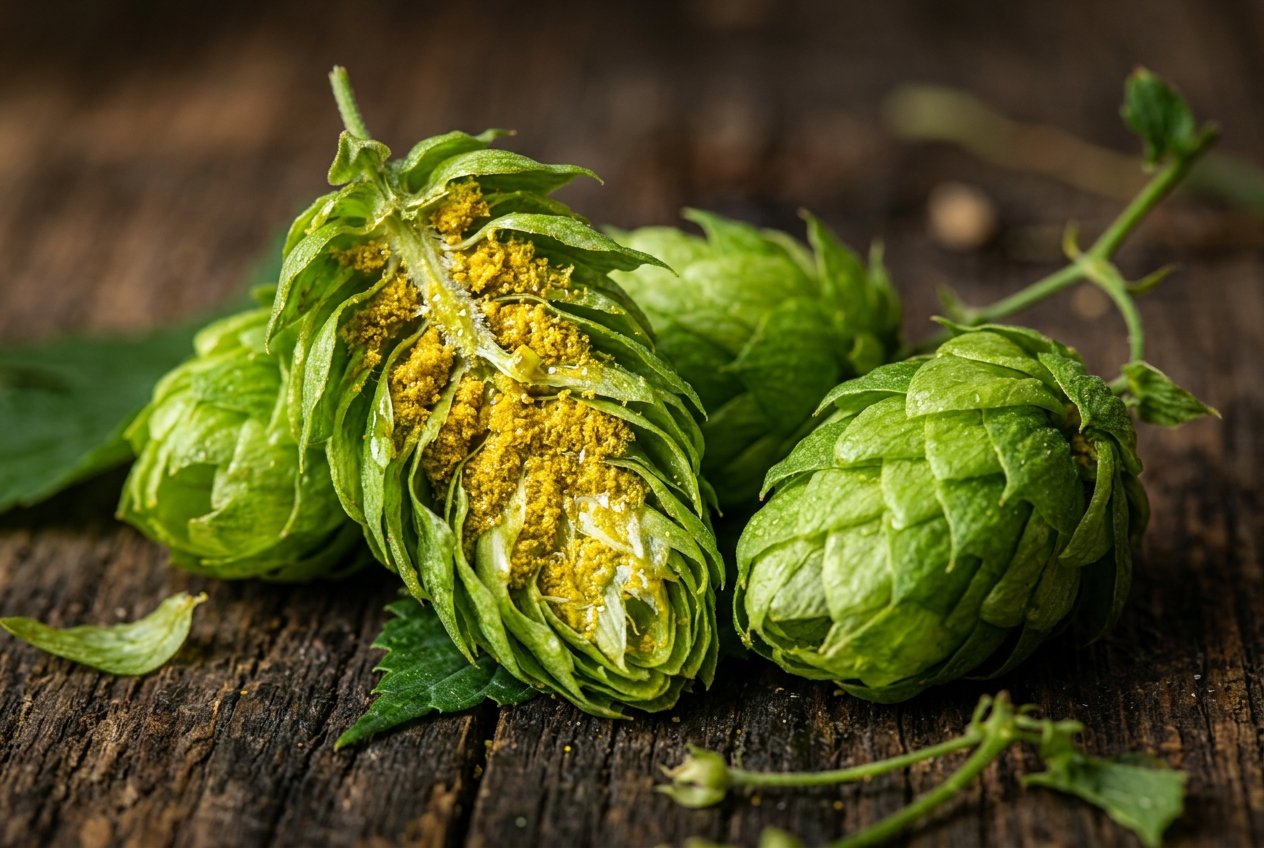
Lupulin is the yellow, powdery substance found inside the hop cone. It holds most of the hop's aroma compounds and bittering resins. NA IPAs that lean on heavy dry hopping are essentially trying to load a low-alcohol beer with as much lupulin character as possible, since there's less alcohol around to carry flavor and body on its own.
That's why tasting notes vary so much by brand. Athletic Brewing's IPA style leans on aggressive dry hopping for citrus and pine notes. Sierra Nevada Trail Pass tends to favor a more balanced, malt-forward profile with a lighter hop presence. Untitled Art's hazy IPA style pushes tropical fruit character through heavy late-hop additions. None of this shows up on a nutrition label, so it's worth knowing before you buy a 12-pack based on style name alone.
The roasted malt notes in dark non-alcoholic stouts share flavor chemistry with grain-based coffee substitutes made from roasted barley and rye.
Non-alcoholic beer is one of the fastest-growing categories in commercial ready-to-drink beverages for distributors.
Frequently Asked Questions
❓ Does non-alcoholic beer have alcohol?
Yes, usually a small amount. Under US federal law, beverages labeled 'non-alcoholic' may contain trace alcohol up to 0.5% ABV. If you need zero detectable alcohol, look for a beer specifically labeled 'Alcohol-Free' or '0.0% ABV.'
❓ Is non-alcoholic beer healthy for you?
Yes, it can be a healthier choice than regular beer. Non-alcoholic beer contains natural plant polyphenols from hops and barley, B vitamins, and electrolytes, with roughly half the calories of regular beer and far less ethanol for your liver to process.
❓ Can you drink non-alcoholic beer while pregnant?
The CDC states there is no known safe amount of alcohol during pregnancy, which includes the trace amounts found in many NA beers. A verified 0.0% alcohol-free option, or consulting with an OB-GYN directly, is the safer choice.
❓ Can non-alcoholic beer show up on a breathalyzer?
It is very unlikely after drinking one or two servings given how low the alcohol content is, but drinking several in a very short window could theoretically register a small reading. It is not a guaranteed zero.
❓ Is non-alcoholic beer bad for your liver?
For most people, occasional non-alcoholic beer poses little risk to the liver because its ethanol content is minimal. People with existing liver conditions should still check with their doctor regarding alcohol and residual carbohydrate limits.
❓ Can people in recovery drink non-alcoholic beer?
This depends entirely on the individual. Some people in recovery avoid non-alcoholic beer because the taste, aroma, and social ritual can act as psychological triggers, while others use it safely as a substitute. Discussing this with a treatment provider or support group is strongly recommended.
❓ Does non-alcoholic beer have electrolytes?
Yes. Many non-alcoholic beers, particularly those brewed through arrested fermentation, retain natural potassium, sodium, and magnesium from the malted grain, which is why some athletes use NA beer as a post-workout recovery beverage.
❓ Can individuals in recovery from alcohol addiction drink 0.5% ABV beer?
While 0.5% ABV non-alcoholic beer cannot cause physical intoxication, addiction counselors often caution against it for individuals in early recovery. The familiar aroma, hop bitterness, and packaging can trigger psychological cravings. For complete zero exposure, select beers strictly certified as 0.0% ABV.
❓ Does non-alcoholic beer have a diuretic effect like regular beer?
No. Ethanol is the primary diuretic agent in regular beer that suppresses anti-diuretic hormone (ADH) and causes dehydration. Because non-alcoholic beer lacks significant ethanol, studies show it acts as an effective isotonic post-exercise rehydration drink.
Sources and Scientific References
- Alcohol and Tobacco Tax and Trade Bureau (TTB): Part 7 - Labeling and Advertising of Malt Beverages: Definitions for Non-Alcoholic and Alcohol-Free Beverages. [TTB.gov]
- American College of Obstetricians and Gynecologists (ACOG): Clinical Guidelines on Alcohol Consumption and Trace Ethanol Exposure During Pregnancy and Lactation. [ACOG.org]
- Medicine & Science in Sports & Exercise (Munich Marathon Study): Non-Alcoholic Wheat Beer Consumption Reduces Post-Race Inflammation and Upper Respiratory Illness Incidence in Marathon Runners. [PubMed]
- Blutalkohol Forensic Journal: Evaluation of Blood Alcohol Concentration (BAC) and Breathalyzer Response Following Rapid Ingestion of Dealcoholized Beer (0.5% ABV).
- Substance Abuse and Mental Health Services Administration (SAMHSA): Sensory and Olfactory Cues in Addiction Recovery: Clinical Perspectives on Near-Beer Alternatives. [SAMHSA.gov]
Medical Disclaimer: This article is for informational purposes only and is not intended to replace professional medical advice, diagnosis, or treatment. If you are pregnant, in recovery for alcohol use disorder, or managing liver disease, consult your physician before consuming dealcoholized beverages.
Related Beverage & Sourcing Guides
Explore our practical guides on drink recipes, market selection, and commercial beverage development: